

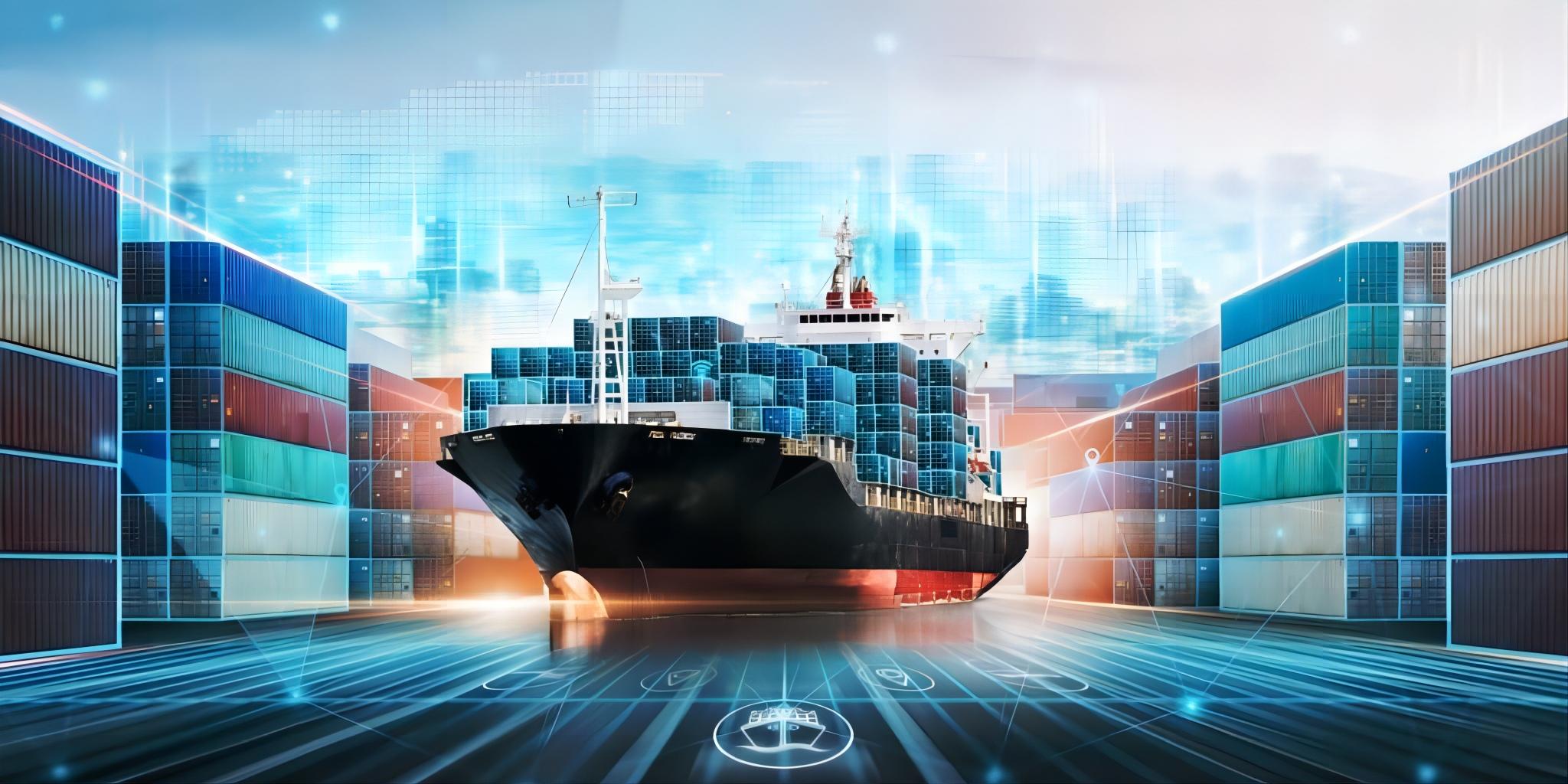
China FCL Supply Chain Solution to Houston
Navigating global logistics presents numerous challenges, especially when importing goods from China. For businesses seeking efficiency and cost-effectiveness, securing a robust China FCL supply chain solution to Houston is paramount. TJ China Freight specializes in streamlining this complex process, ensuring your full container loads arrive safely and on schedule. This guide explores strategies and insights for optimizing your shipping operations to the bustling port of Houston.

What is FCL Shipping and Why Choose it for Houston?
FCL, or Full Container Load, refers to shipping where a single consignee utilizes an entire container exclusively for their goods. This method is ideal for larger volumes, providing dedicated space and reducing the risk of damage from co-loading. Consequently, it offers enhanced security and often faster transit times compared to Less than Container Load (LCL) options.
Choosing FCL for your China to Houston route leverages Houston’s strategic position as a major gateway to the US market. The Port of Houston Authority is a crucial hub, facilitating efficient distribution across Texas and beyond. Therefore, it is a prime choice for businesses aiming for optimized supply chain performance and substantial cargo volumes.
Furthermore, an effective China FCL supply chain solution to Houston supports businesses in maintaining predictable inventory levels. This dedicated container approach minimizes handling and speeds up customs processes upon arrival. Indeed, FCL shipping is a cornerstone for reliable international trade.
Key Considerations for Your China FCL Supply Chain to Houston
Optimizing your FCL supply chain demands careful attention to several critical factors. Understanding these elements ensures a smooth, cost-effective, and timely delivery of your goods. Moreover, proactive planning can mitigate common shipping challenges.
Successfully importing goods from China to Texas requires comprehensive insight into each stage of the logistics process. From initial booking to final delivery, every detail impacts overall efficiency. Consequently, a well-informed approach is essential for achieving supply chain excellence.
Understanding Freight Rates and Shipping Costs
Freight rates for FCL shipments from China to Houston fluctuate based on various market dynamics. These include fuel surcharges, vessel capacity, and seasonal demand, especially during peak shipping seasons. Businesses must therefore seek transparent pricing structures to avoid unexpected expenses.
Additionally, shipping costs encompass more than just ocean freight. Origin charges, destination charges, and potential demurrage or detention fees also contribute to the overall expenditure. Hence, a detailed quote from a reliable freight forwarder is indispensable for accurate budget planning.
Optimizing Transit Times and Delivery Schedules
Transit time is a crucial factor for many businesses, directly impacting inventory management and customer satisfaction. Direct vessel services from major Chinese ports like Shanghai or Ningbo to Houston typically offer the fastest sea transit. However, transshipment options, while potentially longer, might sometimes offer cost advantages.
Careful carrier selection also plays a significant role in determining your delivery schedule. Some carriers offer premium services with guaranteed transit times, albeit at a higher cost. Therefore, balancing speed with budget is a key decision point for your China FCL supply chain solution to Houston.
Navigating Customs Clearance and Documentation
The customs clearance process for FCL shipments entering Houston requires meticulous attention to detail. Essential documents include the Commercial Invoice, Packing List, Bill of Lading, and potentially various permits or certificates depending on the cargo type. Errors can lead to significant delays and penalties.
Engaging an experienced customs brokerage service is highly recommended to manage this complex process. They ensure compliance with all US Customs and Border Protection (CBP) regulations, facilitating a smooth entry for your goods. Consequently, this expertise minimizes risks and streamlines your import operations.
How Does FCL Compare to Other Shipping Options?
When evaluating the best China FCL supply chain solution to Houston, it is important to consider alternative shipping methods. Each option presents distinct advantages and limitations regarding cost, speed, and suitability for different cargo types. A comprehensive comparison helps in making informed logistics decisions.
Furthermore, understanding these differences allows businesses to select the most appropriate method for their specific needs, whether prioritizing budget, speed, or cargo security. Here’s a look at how FCL stacks up against other common shipping choices.
| Shipping Method | Cost Range (per 40HQ equivalent) | Transit Time (China to Houston) | Best For | Limitations |
|---|---|---|---|---|
| Full Container Load (FCL) | $4,500 – $6,000 | 30-35 days | Large volumes, secure cargo, predictable delivery | Higher cost for small volumes, fixed container size |
| Less than Container Load (LCL) | $150 – $250 per CBM | 35-45 days | Smaller shipments (under 15 CBM), flexible volume | More handling, longer transit, potential for delays |
| Air Freight | $15,000 – $25,000 | 5-7 days | Urgent, high-value, or time-sensitive cargo | Very high cost, volume/weight restrictions, environmental impact |

Strategic Routes and Port Logistics for Houston-Bound FCL
The journey for a China FCL supply chain solution to Houston typically begins at one of China’s major export hubs. These include bustling ports like Shanghai, Ningbo, and Shenzhen, known for their extensive global shipping networks. From these origins, vessels embark on a trans-Pacific voyage.
Upon arrival, the Port of Houston Authority efficiently handles the influx of full container loads. Houston’s port infrastructure, including its modern terminals and vast intermodal connections, is crucial for rapid cargo discharge and onward distribution. This robust logistics network ensures efficient handling and minimizes potential port congestion.
Moreover, direct vessel services from China to Houston offer streamlined transit, bypassing intermediate ports which can add days to the journey. Businesses should inquire about these direct options to reduce overall transit times and enhance supply chain predictability. Consequently, choosing the right route and carrier is paramount for optimizing delivery schedules.
Enhancing Your FCL Supply Chain with Value-Added Services
Beyond basic ocean freight, integrating value-added services can significantly elevate your China FCL supply chain solution to Houston. These services provide comprehensive support, extending the efficiency of your shipment from origin to final destination. Ultimately, they streamline operations and reduce administrative burdens.
Consider opting for a complete door-to-door service. This option handles all logistics, from factory pickup in China to final delivery at your Houston warehouse, offering a single point of contact and simplified coordination. This eliminates the need for multiple vendors, thus saving time and effort.
Furthermore, for businesses utilizing platforms like Amazon, specialized Amazon FBA preparation and delivery services are invaluable. These ensure your FCL shipments meet Amazon’s strict requirements, facilitating direct and compliant delivery to FBA warehouses in the Houston area or beyond. Additionally, cargo insurance protects your investment against unforeseen events, offering peace of mind throughout the shipping process.
Real-World Scenarios: Successful China FCL Shipments to Houston
Understanding real-world applications helps illustrate the effectiveness and challenges of an optimal China FCL supply chain solution to Houston. These case studies highlight various cargo types, routes, and logistical considerations. They demonstrate how strategic planning leads to successful import operations.
Based on typical rates as of early 2025, these examples provide a realistic view of costs and timelines. Note: Freight rates are subject to change based on fuel costs, carrier capacity, and seasonal demand. Contact us for a current quote tailored to your specific shipment.
Case Study 1: Electronics Manufacturer
| Detail | Value |
|---|---|
| Route | Shanghai, China Houston, USA |
| Cargo | Consumer Electronics, 65 CBM, 12,000 kg |
| Container | 1 x 40HQ |
| Shipping Details | Carrier: COSCO, Port of Loading: Shanghai, Port of Discharge: Houston, Route Type: Direct |
| Cost Breakdown | Ocean Freight: $5,200, Origin Charges: $480, Destination Charges: $720, Customs & Duties (estimated 2.5%): $2,000, Total Landed Cost: $8,400 |
| Timeline | Booking to Loading: 5 days, Sea Transit: 32 days, Customs Clearance: 3 days, Total Door-to-Door: 40 days |
| Key Insight | Direct vessel service significantly reduced transit time compared to transshipment options. Efficient documentation minimized customs delays. |

Case Study 2: Apparel Importer
| Detail | Value |
|---|---|
| Route | Ningbo, China Houston, USA |
| Cargo | Seasonal Apparel, 120 CBM, 18,000 kg |
| Container | 2 x 40GP |
| Shipping Details | Carrier: Maersk, Port of Loading: Ningbo, Port of Discharge: Houston, Route Type: Direct |
| Cost Breakdown | Ocean Freight: $9,600, Origin Charges: $900, Destination Charges: $1,300, Customs & Duties (estimated 15%): $15,000, Total Landed Cost: $26,800 |
| Timeline | Booking to Loading: 7 days, Sea Transit: 34 days, Customs Clearance: 4 days, Total Door-to-Door: 45 days |
| Key Insight | Pre-booking during peak season (Q4 2024 rates were 15% higher) secured capacity and better rates. High duties emphasize the need for accurate tariff classification. |
Case Study 3: Industrial Parts Distributor
| Detail | Value |
|---|---|
| Route | Shenzhen, China Houston, USA |
| Cargo | Heavy Machinery Components, 28 CBM, 25,000 kg |
| Container | 1 x 20GP |
| Shipping Details | Carrier: MSC, Port of Loading: Shenzhen, Port of Discharge: Houston, Route Type: Transshipment via Busan |
| Cost Breakdown | Ocean Freight: $3,000, Origin Charges: $400, Destination Charges: $650, Customs & Duties (estimated 3%): $1,200, Total Landed Cost: $5,250 |
| Timeline | Booking to Loading: 6 days, Sea Transit: 38 days, Customs Clearance: 3 days, Total Door-to-Door: 47 days |
| Key Insight | Choosing a transshipment route offered cost savings for heavier cargo, though it extended transit time by several days. Careful planning for inland transport in Houston was crucial due to cargo weight. |
Which Option Should You Choose? A Decision Framework
Selecting the ideal China FCL supply chain solution to Houston hinges on balancing various business priorities. Your decision framework should weigh factors such as budget, urgency, cargo characteristics, and shipment volume. Therefore, a tailored approach is always best.
If budget is your primary concern, leveraging sea freight FCL is typically the most cost-effective option for large volumes. For time-sensitive or high-value goods, however, air freight provides unparalleled speed, albeit at a significantly higher cost. Cargo type also plays a role; delicate or high-security items benefit from FCL’s dedicated space.
Consider volume thresholds: FCL becomes more economical than LCL once your shipment exceeds approximately 15 cubic meters. For smaller, less urgent shipments, LCL remains a viable alternative. Ultimately, a thorough assessment of your specific requirements will guide you to the most efficient and economical shipping method.
Conclusion: Master Your China FCL Supply Chain to Houston
The journey of goods from China to Houston via FCL shipping demands strategic planning and expert execution. By understanding the intricacies of freight rates, customs, and logistics, businesses can significantly enhance their supply chain efficiency. Moreover, leveraging value-added services and choosing the right shipping partner are crucial for success.
A well-managed China FCL supply chain solution to Houston is critical for sustained success in today’s competitive global market. It ensures timely delivery, cost control, and overall operational reliability. Ultimately, this strategic approach fosters growth and strengthens your position in the import-export landscape.

Start Your Shipment
Ready to optimize your China FCL supply chain solution to Houston? Partner with TJ China Freight for seamless, reliable, and cost-effective full container load shipping. Request a personalized quote today and experience superior logistics management tailored to your business needs.
Request Quote