

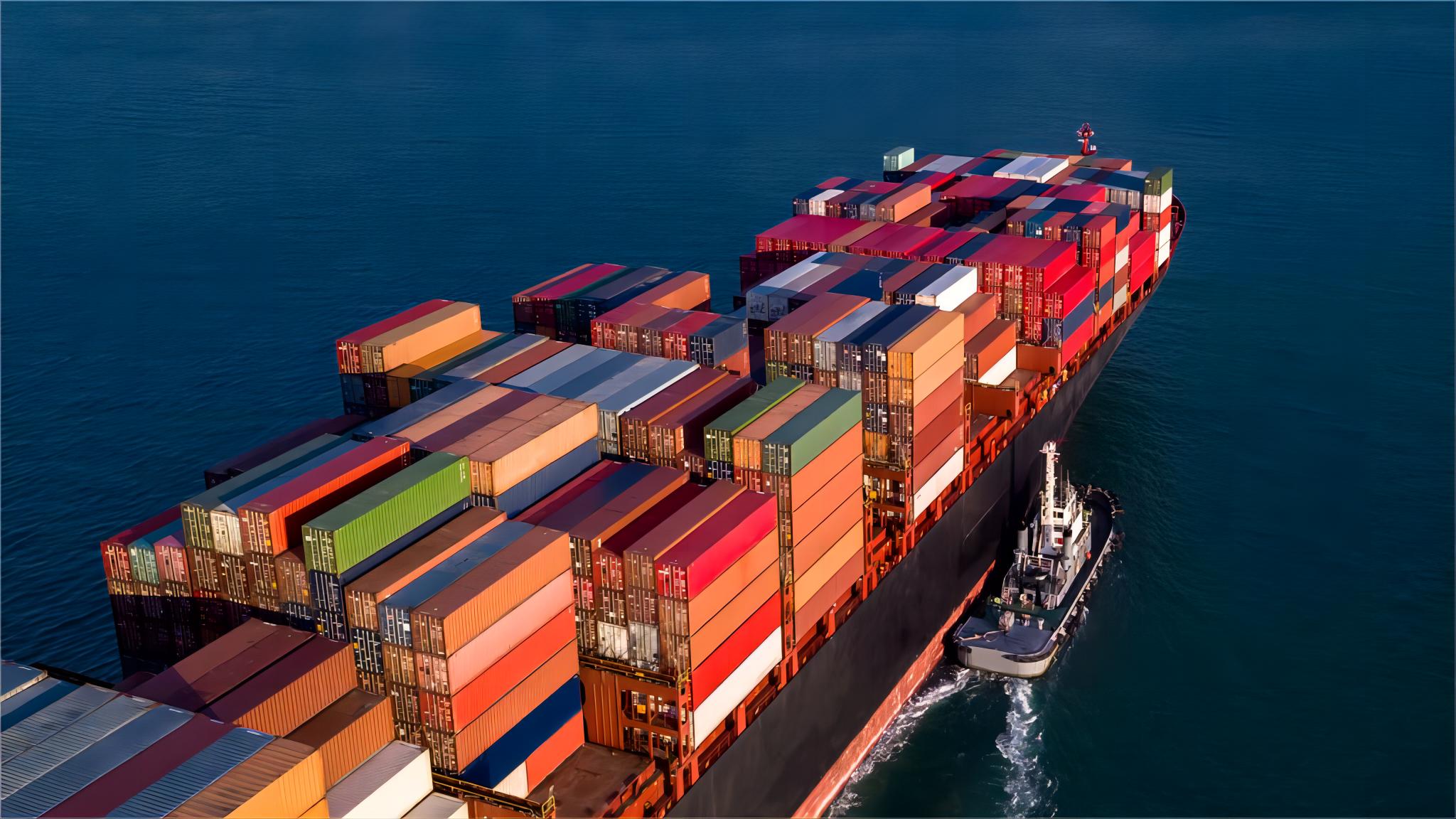
20GP FCL Freight Rate for Solar Panels: China to UK Guide
Navigating international logistics for renewable energy components can be complex. Understanding the 20GP FCL freight rate for solar panels from China to UK is crucial for businesses aiming to import efficiently. This comprehensive guide will demystify the process, helping you manage costs and ensure timely delivery. We provide expert insights into optimizing your shipping strategy.

Understanding 20GP FCL Freight for Solar Panels to the UK
Importing solar panels from China to the UK demands careful planning, especially regarding shipping methods. FCL, or Full Container Load, means your goods occupy an entire shipping container, typically a 20GP (General Purpose) unit for smaller volumes. This method is often preferred for its security and efficiency.
A 20GP container offers approximately 33 cubic meters of capacity, making it ideal for a substantial quantity of solar panels. When considering the sea freight option, FCL provides a dedicated space, reducing handling and potential damage. Consequently, it’s a popular choice for bulk solar panel imports.
Key Factors Influencing Your 20GP FCL Freight Rate
Many variables impact the overall freight rates from China to UK. Understanding these factors is essential for accurate budgeting and strategic planning. Global market demand, fuel surcharges, and carrier capacity all play significant roles in determining your final shipping costs.
Moreover, the specific port of loading in China and the port of discharge in the UK can influence both cost and transit time. Seasonal fluctuations, such as peak shipping seasons before major holidays, often lead to higher rates. Therefore, planning your shipments well in advance can yield substantial savings.
Container Capacity and Cargo Dimensions
A 20GP container can typically hold around 500-600 standard solar panels, depending on their size and packaging. Maximizing this space is key to cost-efficiency. Proper loading and securing of your solar panels will prevent damage during transit.
Origin and Destination Charges
Beyond the base ocean freight, several charges apply at both ends of the journey. Origin charges include terminal handling, documentation, and drayage to the port. Likewise, destination charges cover port fees, customs clearance, and local delivery within the UK.
Market Dynamics and Seasonal Peaks
Freight rates are highly volatile, influenced by global economic conditions and trade volumes. For instance, rates often surge during the Q4 holiday season and before Chinese New Year. Staying informed about these logistics trends helps in anticipating cost increases.
Based on current market rates, 20GP FCL freight from China to the UK typically ranges from $2,000 to $2,800 for ocean freight alone. Note: Freight rates are subject to change based on fuel costs, carrier capacity, and seasonal demand. Contact us for a current quote tailored to your specific shipment.
How Does 20GP FCL Compare to Other Shipping Options?
Choosing the right shipping method is paramount for importing solar panels. While 20GP FCL sea freight is a popular choice, it’s vital to compare it with other viable alternatives. Each option presents different trade-offs in terms of cost, speed, and suitability for various cargo types.
For example, urgent or smaller shipments might benefit from faster methods, whereas larger, less time-sensitive orders are best suited for sea freight. This comparison helps you make an informed decision for your specific import needs.
| Shipping Method | Cost Range (20GP/CBM) | Transit Time (Days) | Best For | Limitations |
|---|---|---|---|---|
| Sea Freight (FCL) | $2,000 – $2,800 | 30-38 | Large volumes, cost-efficiency | Longer transit times, port congestion risk |
| Sea Freight (LCL) | $50 – $80 per CBM | 35-45 | Smaller shipments (under 15 CBM), flexible volume | More handling, longer transit, potential delays |
| Air Freight | $6 – $12 per kg | 5-10 | Urgent, high-value, small shipments | Very high cost, volume/weight restrictions |

When to Choose FCL vs. LCL
For shipments over 15-20 CBM, FCL generally becomes more economical than LCL (Less than Container Load). FCL offers a direct route from origin to destination, minimizing handling and potential damage. Conversely, LCL involves consolidation, which can extend transit times due to multiple stops.
Considering Speed vs. Cost: Sea vs. Air
Sea freight is undeniably the most cost-effective solution for bulk solar panel imports, albeit with longer transit times. Air freight, while significantly faster, comes with a premium price tag, often 5-10 times higher than sea freight. Therefore, your delivery schedule and budget are critical determinants.
Hybrid solutions, such as sea-air combinations, can offer a middle ground for specific scenarios. However, for the typical import of solar panels, direct sea FCL remains the preferred method for balancing cost and capacity.
Navigating Customs, Duties, and Documentation for Solar Panels
Successful importation of solar panels into the UK hinges on meticulous customs compliance and accurate documentation. Understanding the requirements is crucial to avoid delays and unexpected costs. The UK’s import regulations can be complex, necessitating careful preparation.
Furthermore, proper classification of your solar panels using the correct HS codes is vital for determining applicable duties and taxes. Engaging a reliable customs brokerage service can streamline this often-complicated process. They ensure all paperwork is correctly submitted.
Essential Import Documents
Key documents include the commercial invoice, packing list, bill of lading, and certificate of origin. Additionally, a conformity certificate (CE marking) is often required for electronic goods like solar panels. Inaccurate documentation can lead to significant delays and penalties at UK ports.
UK Import Duties and VAT
Solar panels typically fall under specific tariff codes, which determine the duty rates. Currently, many solar panel components may benefit from reduced or zero tariffs under certain trade agreements, but VAT (Value Added Tax) still applies. Always verify the latest duty rates with a customs expert.
EORI Number and Compliance
Businesses importing goods into the UK require an EORI (Economic Operator Registration and Identification) number. This unique identifier facilitates customs procedures. Ensuring full compliance with all UK import regulations is paramount for a smooth supply chain.
Real-World Case Studies: China to UK Solar Panel Shipments
Examining real-world scenarios provides practical insights into the complexities and costs associated with shipping solar panels. These examples highlight typical transit times, common challenges, and effective strategies for managing your logistics. They offer a tangible perspective on the door to door process.
Based on Q3 2024 market rates, these case studies illustrate common shipments. Keep in mind that actual freight rates and timelines fluctuate significantly due to various market factors. Always obtain a current quote for your specific needs.
Case Study 1: Large-Scale Residential Project
| Field | Details |
|---|---|
| Route | Shanghai, China -> Felixstowe, UK |
| Cargo | 550 Monocrystalline Solar Panels, 30 CBM, 12,000 kg |
| Container | 20GP FCL |
| Shipping Details | Carrier: COSCO, Port of Loading: Shanghai, Port of Discharge: Felixstowe, Route Type: Direct |
| Cost Breakdown | Ocean Freight: $2,500, Origin Charges (THC, documentation): $350, Destination Charges: $400, Customs & Duties (estimated): $1,200, Total Landed Cost: $4,450 |
| Timeline | Booking to Loading: 5 days, Sea Transit: 32 days, Customs Clearance: 3 days, Total Door-to-Door: 40 days |
| Key Insight | Early booking during a stable rate period ensured competitive pricing and minimal delays. |

Case Study 2: Commercial Solar Farm Components
| Field | Details |
|---|---|
| Route | Shenzhen, China -> Southampton, UK |
| Cargo | 500 Bifacial Solar Panels, 31 CBM, 11,500 kg |
| Container | 20GP FCL |
| Shipping Details | Carrier: Maersk, Port of Loading: Shenzhen, Port of Discharge: Southampton, Route Type: Transshipment via Singapore |
| Cost Breakdown | Ocean Freight: $2,200, Origin Charges (THC, documentation): $300, Destination Charges: $380, Customs & Duties (estimated): $1,100, Total Landed Cost: $3,980 |
| Timeline | Booking to Loading: 7 days, Sea Transit: 35 days, Customs Clearance: 4 days, Total Door-to-Door: 46 days |
| Key Insight | Choosing a transshipment route offered a lower base rate but added a few extra days to the overall transit time. |
Optimizing Your Logistics and Supply Chain for Solar Panels
Effective supply chain management is critical for minimizing costs and maximizing efficiency when importing solar panels. Strategic planning can significantly impact your overall shipping costs and delivery schedules. Proactive measures are always more beneficial.
Consider consolidating orders from multiple suppliers into a single FCL shipment to maximize container utilization. This approach often reduces per-unit shipping costs. Moreover, building strong relationships with your freight forwarder can provide access to better rates and services.
Choosing a Reliable Freight Forwarder
Selecting an experienced freight forwarder with a proven track record in China-UK routes is paramount. They can offer invaluable expertise in cargo handling, customs procedures, and navigating complex logistics. Look for partners who provide transparent pricing and excellent communication.
Insurance and Risk Management
Despite careful planning, unforeseen incidents can occur during transit. Securing comprehensive marine insurance for your solar panels is a prudent investment. This protects your valuable cargo against damage, loss, or theft, mitigating financial risks.
Future Trends in Solar Panel Logistics
The solar energy sector is continually evolving, and so too are its logistics requirements. Automation, real-time tracking, and sustainable shipping practices are becoming increasingly important. Staying abreast of these logistics trends can provide a competitive edge.
Which Shipping Option Should You Choose for Your Solar Panels?
The optimal shipping strategy for your solar panels depends entirely on your specific business priorities. There is no one-size-fits-all solution; therefore, a tailored approach is essential. Evaluate your needs carefully before making a decision.
Consider these clear criteria to help you determine the best approach for your next shipment. Balancing various factors will lead to the most cost-effective and timely delivery.
Budget Priority
If minimizing costs is your primary concern, FCL sea freight is almost always the most economical choice for solar panels. Plan for longer transit times but enjoy significantly lower per-unit shipping costs. This is ideal for large, non-urgent orders.
Speed Priority
For urgent projects or time-sensitive deliveries, air freight is the undisputed champion. While substantially more expensive, it ensures rapid transit. This option is best reserved for critical components or unforeseen supply chain disruptions.
Cargo Type and Volume Considerations
Standard 20GP FCL is perfect for large quantities of standard-sized solar panels. If your order is small, LCL sea freight might be suitable, though with potential for longer transit. For extremely fragile or oversized panels, specialized container options might be necessary.
Conclusion
Successfully importing solar panels from China to the UK requires a thorough understanding of the <a href=”https://bestchinafreight.com/shipping-from-china-to-europe/”>20GP FCL freight rate for solar panels from China to UK</a> and its influencing factors. By carefully considering shipping methods, managing documentation, and leveraging expert freight forwarding, you can ensure efficient and cost-effective delivery. Strategic planning is key to a robust solar panel supply chain.

Ready to streamline your logistics?
Ready to get a precise 20GP FCL freight rate for solar panels from China to UK? Our expert team at TJ China Freight is here to provide tailored solutions and competitive quotes. Contact us today to discuss your specific shipping requirements and streamline your import process.
Request Quote