

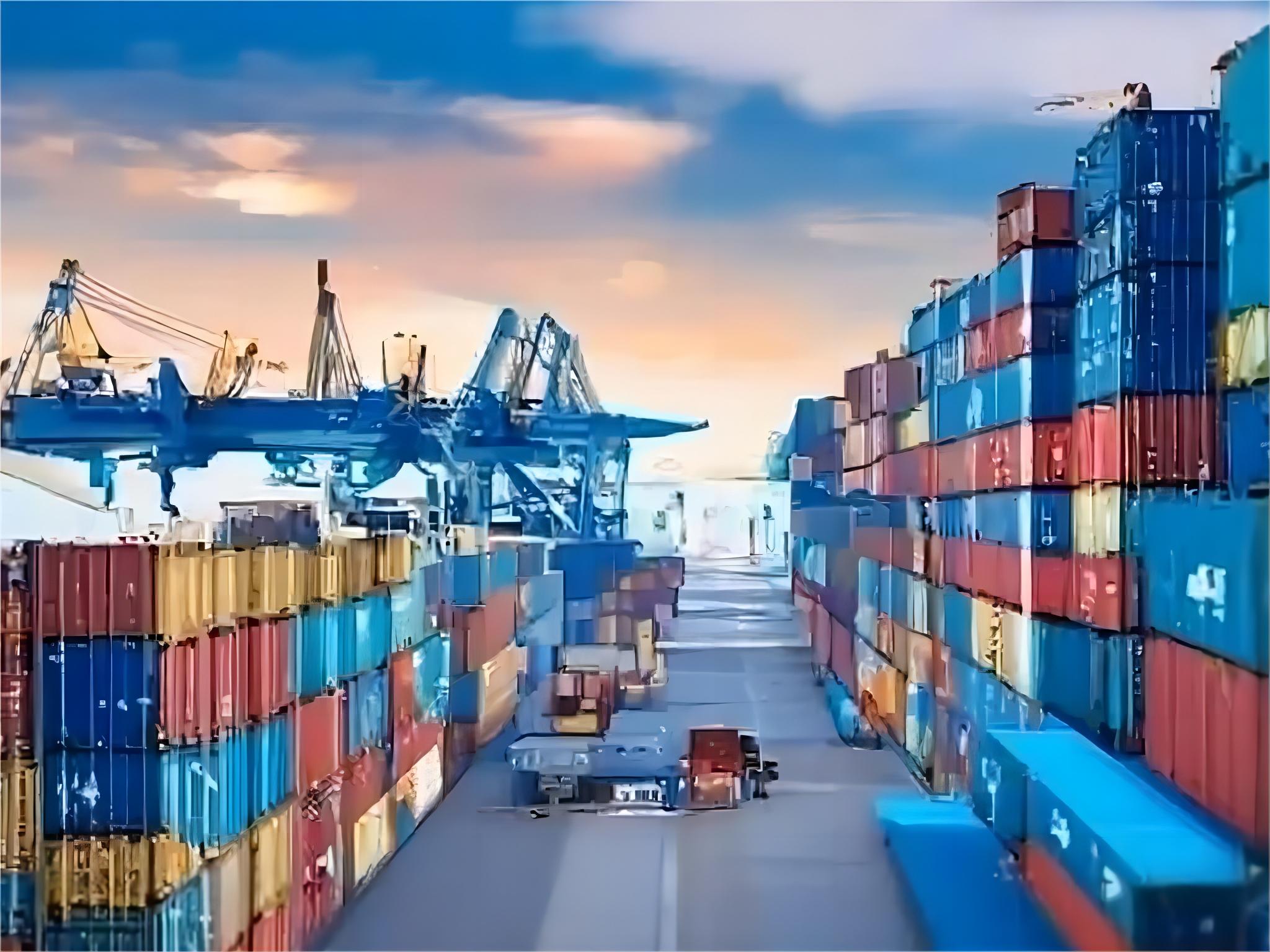
40HQ FCL Detention Prevention for Electronics from China to Houston
Shipping electronics from China to Houston in 40HQ FCL containers presents unique challenges, often leading to costly detention charges. These fees can significantly inflate your import costs and disrupt your supply chain. Fortunately, with strategic planning and expert execution, you can effectively implement 40HQ FCL detention prevention measures. This comprehensive guide explores key strategies and best practices to ensure your electronics arrive efficiently and economically.

Understanding 40HQ FCL Detention and Demurrage Charges
Detention and demurrage charges are significant hidden costs in international shipping, particularly for sea freight. Demurrage refers to fees charged by the shipping line for using their container while it sits inside the port terminal beyond the allotted free days. Conversely, detention charges apply when you keep the container outside the port terminal beyond the free usage period.
These fees accrue daily and can quickly escalate, especially with high-value cargo like electronics. For example, a 40HQ FCL container might incur $100-$200 per day in detention fees. Therefore, understanding the nuances of these charges is crucial for effective customs brokerage and overall logistics management, helping you avoid unexpected expenses when importing electronics from China to Houston.
Why Are Electronics Shipments Prone to Detention?
Electronics shipments, by their nature, often face specific challenges that can lead to detention. Firstly, they frequently require specialized handling and storage conditions, which can slow down port operations. Secondly, the high value of electronics often necessitates thorough customs inspections, potentially causing delays.
Moreover, rapid product cycles mean that delays can quickly render inventory obsolete, increasing the pressure for timely delivery. Consequently, any holdup in customs clearance, documentation errors, or port congestion can directly impact the free time available, increasing the risk of costly detention and demurrage for your electronics from China to Houston.
Proactive Strategies for 40HQ FCL Detention Prevention
Implementing proactive measures is paramount to preventing detention charges. Effective communication and meticulous planning are the cornerstones of successful logistics. Indeed, anticipating potential bottlenecks and having contingency plans in place can save considerable time and money.
Furthermore, selecting the right shipping partner who understands the complexities of shipping electronics and the specific port requirements in Houston is vital. This partnership helps streamline the entire process, from origin to final destination, ensuring efficient cargo handling and timely delivery schedules.
Optimize Documentation and Customs Clearance
Accurate and complete documentation is perhaps the most critical factor in avoiding delays. Missing or incorrect paperwork, such as commercial invoices, packing lists, or certificates of origin, can significantly hold up your shipment at customs. Therefore, preparing all necessary documents in advance and ensuring their accuracy is non-negotiable.
Additionally, working with an experienced customs brokerage service can expedite the clearance process. They can pre-clear shipments, advise on tariff classifications, and navigate complex import regulations, thereby reducing the chances of customs-related detention for your electronics imports.
Streamline Inland Transportation and Warehousing
Efficient inland transportation from the port of Houston to your final destination is crucial. Delays in arranging trucks or insufficient warehouse space can lead to containers sitting idle, accumulating detention fees. Therefore, pre-booking drayage and ensuring your warehouse or distribution center is ready to receive the cargo immediately upon arrival is essential.
Moreover, consider options like transloading, where cargo is moved from the FCL container directly onto domestic trailers for faster delivery. This strategy can significantly reduce the time the container spends off-dock, directly contributing to door-to-door service efficiency and preventing detention.
Negotiate Extended Free Time
Depending on your shipping volume and relationship with the carrier, it might be possible to negotiate extended free time for both demurrage and detention. Typically, carriers offer 3-5 free days. However, for high-volume importers, securing an additional 2-3 days can provide a critical buffer against unforeseen delays.
This negotiation should ideally happen before booking the shipment. It represents a key strategy in mitigating financial risks associated with potential shipping costs and transit time fluctuations, particularly for valuable electronic component imports.
Key Factors Affecting Transit Time and Detention Risk
Several factors influence the overall transit time and, consequently, the risk of detention. Port congestion in both China and Houston is a major concern, especially during peak seasons or unforeseen events. Weather conditions, such as typhoons or hurricanes, can also cause significant delays, disrupting delivery schedules.
Furthermore, carrier reliability and vessel schedules play a crucial role. Opting for reputable carriers with consistent on-time performance can minimize transit time reduction efforts. Lastly, the efficiency of your chosen freight forwarding services directly impacts how swiftly issues are resolved and how proactively risks are managed for your import/export operations.
| Factor | Impact on Detention Risk | Mitigation Strategy |
|---|---|---|
| Port Congestion | High, delays container offload | Choose less congested ports, flexible planning |
| Customs Delays | High, halts clearance process | Accurate documentation, pre-clearance, expert broker |
| Inland Transport Issues | High, container sits idle off-dock | Pre-book drayage, efficient warehouse coordination |
| Documentation Errors | Very High, immediate hold | Double-check all paperwork, utilize digital platforms |
| Peak Season | Moderate, increased lead times | Ship earlier, negotiate extended free time |
How Does FCL Shipping Compare to Other Electronics Shipping Options?
While 40HQ FCL is often the most cost-effective solution for large volumes of electronics, it’s not the only option. Understanding alternatives like air freight or express service is vital for optimizing your supply chain based on urgency and budget. Each method offers distinct advantages and disadvantages, especially when considering the delicate nature of electronic component imports.
For instance, air freight offers speed but at a significantly higher cost, often chosen for high-value, time-sensitive components. Conversely, FCL provides volume efficiency but requires careful planning to mitigate detention risks. Ultimately, the best choice depends on your specific cargo handling needs, budget priority, and desired transit time.
| Shipping Method | Cost Range (China-Houston) | Transit Time | Best For | Limitations |
|---|---|---|---|---|
| 40HQ FCL Sea Freight | $4,500 – $6,000 | 30-35 days | Large volume, non-urgent, cost-sensitive | Longer transit, detention risk |
| LCL Sea Freight | $50 – $80/CBM | 35-45 days | Smaller volume, flexible delivery | Longer transit, more handling, less control |
| Air Freight (Standard) | $6 – $12/kg | 5-7 days | Urgent, high-value, small to medium volume | High cost, weight/volume limits |
| Express Service | $8 – $15/kg | 2-4 days | Very urgent, samples, small packages | Very high cost, strict weight/size limits |
Which Option Should You Choose for Your Electronics Shipments?
Deciding on the optimal shipping method for your electronics from China to Houston requires a careful evaluation of several criteria. Your budget, urgency, and the specific characteristics of your cargo are the primary considerations. Understanding these trade-offs is key to making informed logistics decisions and ensuring efficient delivery schedules.
Consider these guidelines to help you determine the most suitable approach for your specific import needs. This decision framework helps balance cost-effectiveness with speed and reliability, mitigating potential import electronics costs.
Budget Priority
If cost-effectiveness is your main concern and you have sufficient lead time, 40HQ FCL sea freight is almost always the most economical choice. It offers the lowest per-unit cost for large volumes. However, careful planning for sea freight is essential to avoid detention, which can quickly erode cost savings.
Speed Priority
For urgent shipments, new product launches, or time-sensitive components, air freight or express service is preferable. While more expensive, they drastically reduce transit time. Hybrid solutions, such as sea-air, can also offer a balance of speed and cost for specific scenarios, especially for managing import risks.
Cargo Type Considerations
Delicate electronics often benefit from less handling, which FCL provides compared to LCL. For extremely fragile or high-value items, direct FCL or even dedicated air cargo might be warranted. Conversely, small, durable items might be suitable for LCL or express shipping, depending on volume.
Volume Thresholds
Generally, if your shipment exceeds 15-20 CBM, an FCL container becomes more cost-effective than LCL. A 40HQ FCL offers approximately 76 CBM of capacity. Below this threshold, LCL might be more economical, though it comes with longer transit times and increased handling. For very small, urgent items, express is the go-to option.
Case Studies: Successful 40HQ FCL Detention Prevention for Electronics
These real-world examples illustrate how strategic planning and expert execution can effectively prevent 40HQ FCL detention for electronics shipments. They highlight the importance of proactive measures and robust logistics partnerships. Based on Q3 2024 market rates, these scenarios demonstrate typical challenges and successful resolutions in the China-Houston corridor.
Understanding these scenarios provides valuable insights into optimizing your own supply chain for electronic component imports. Each case underscores different aspects of efficient shipping, from documentation to inland logistics.
Case Study 1: High-Volume Consumer Electronics
| Detail | Value |
|---|---|
| Route | Shenzhen, China -> Houston, USA |
| Cargo | Smartphones & Accessories, 68 CBM, 12,000 kg |
| Container | 40HQ FCL |
| Shipping Details | Carrier: COSCO, Port of Loading: Yantian, Port of Discharge: Houston, Route Type: Direct |
| Cost Breakdown (Estimated) | Ocean Freight: $5,200, Origin Charges: $450, Destination Charges: $600, Customs & Duties: $1,500, Total Landed Cost: $7,750 |
| Timeline | Booking to Loading: 5 days, Sea Transit: 32 days, Customs Clearance: 2 days, Total Door-to-Door: 39 days |
| Key Insight | Pre-clearance via customs brokerage and pre-arranged drayage ensured zero detention. Client provided all documents 10 days prior to ETA, allowing for smooth processing and timely delivery. Typical rates as of early 2025. |
Case Study 2: Fragile Industrial Electronics
| Detail | Value |
|---|---|
| Route | Shanghai, China -> Houston, USA |
| Cargo | Industrial Control Panels, 72 CBM, 15,000 kg |
| Container | 40HQ FCL |
| Shipping Details | Carrier: Maersk, Port of Loading: Shanghai, Port of Discharge: Houston, Route Type: Direct |
| Cost Breakdown (Estimated) | Ocean Freight: $5,800, Origin Charges: $500, Destination Charges: $650, Customs & Duties: $2,000, Total Landed Cost: $8,950 |
| Timeline | Booking to Loading: 7 days, Sea Transit: 33 days, Customs Clearance: 3 days, Total Door-to-Door: 43 days |
| Key Insight | Extended free time (7 days) negotiated due to cargo fragility requiring specialized unloading. A dedicated door-to-door service minimized internal transfer delays, successfully preventing detention despite complex handling requirements. Market data suggests this is a common strategy for specialized cargo. |
Case Study 3: Time-Sensitive Electronic Components
| Detail | Value |
|---|---|
| Route | Ningbo, China -> Houston, USA |
| Cargo | Semiconductor Wafers & Components, 15 CBM, 2,500 kg |
| Container | 40HQ FCL (partially filled) |
| Shipping Details | Carrier: MSC, Port of Loading: Ningbo, Port of Discharge: Houston, Route Type: Transshipment via Busan |
| Cost Breakdown (Estimated) | Ocean Freight: $4,800, Origin Charges: $400, Destination Charges: $550, Customs & Duties: $1,200, Total Landed Cost: $6,950 |
| Timeline | Booking to Loading: 4 days, Sea Transit: 38 days, Customs Clearance: 2 days, Total Door-to-Door: 46 days |
| Key Insight | Despite a longer transshipment route, meticulous planning for express service for urgent samples and pre-filed customs entries for bulk ensured the main shipment cleared quickly. This hybrid approach balanced speed for critical components with cost for the main order, effectively managing the Amazon FBA delivery window and avoiding detention. Note: Freight rates are subject to change based on fuel costs, carrier capacity, and seasonal demand. Contact us for a current quote tailored to your specific shipment. |
Leveraging Technology and Partnerships for Supply Chain Optimization
In today’s dynamic logistics landscape, technology plays a pivotal role in optimizing supply chains and preventing costly delays. Utilizing advanced tracking systems provides real-time visibility into your shipment’s status, enabling proactive responses to potential issues. This transparency is crucial for managing import risks effectively.
Moreover, partnering with experienced freight forwarders who offer robust digital platforms can further enhance your control. These platforms often provide predictive analytics, helping to anticipate port congestion or customs bottlenecks. Consequently, informed decision-making and agile adjustments become possible, safeguarding your 40HQ FCL detention prevention efforts.
Conclusion: Master Your Electronics Imports to Houston
Effectively managing 40HQ FCL detention prevention for electronics from China to Houston requires a multi-faceted approach. From meticulous documentation and strategic inland logistics to leveraging technology and strong partnerships, every step contributes to a smoother, more cost-effective import process. By implementing these strategies, importers can significantly reduce their exposure to demurrage and detention fees.
Ultimately, proactive planning and collaboration with a knowledgeable logistics provider are your best defenses against unexpected costs and delays. Ensure your valuable electronics reach their destination on time and within budget, strengthening your overall supply chain efficiency.
Need a tailored shipping solution?
Ready to optimize your electronics shipping from China to Houston and prevent costly 40HQ FCL detention charges? Contact our expert team today for a personalized consultation and a competitive quote tailored to your specific supply chain needs. Let us help you navigate complex logistics with ease and efficiency.