

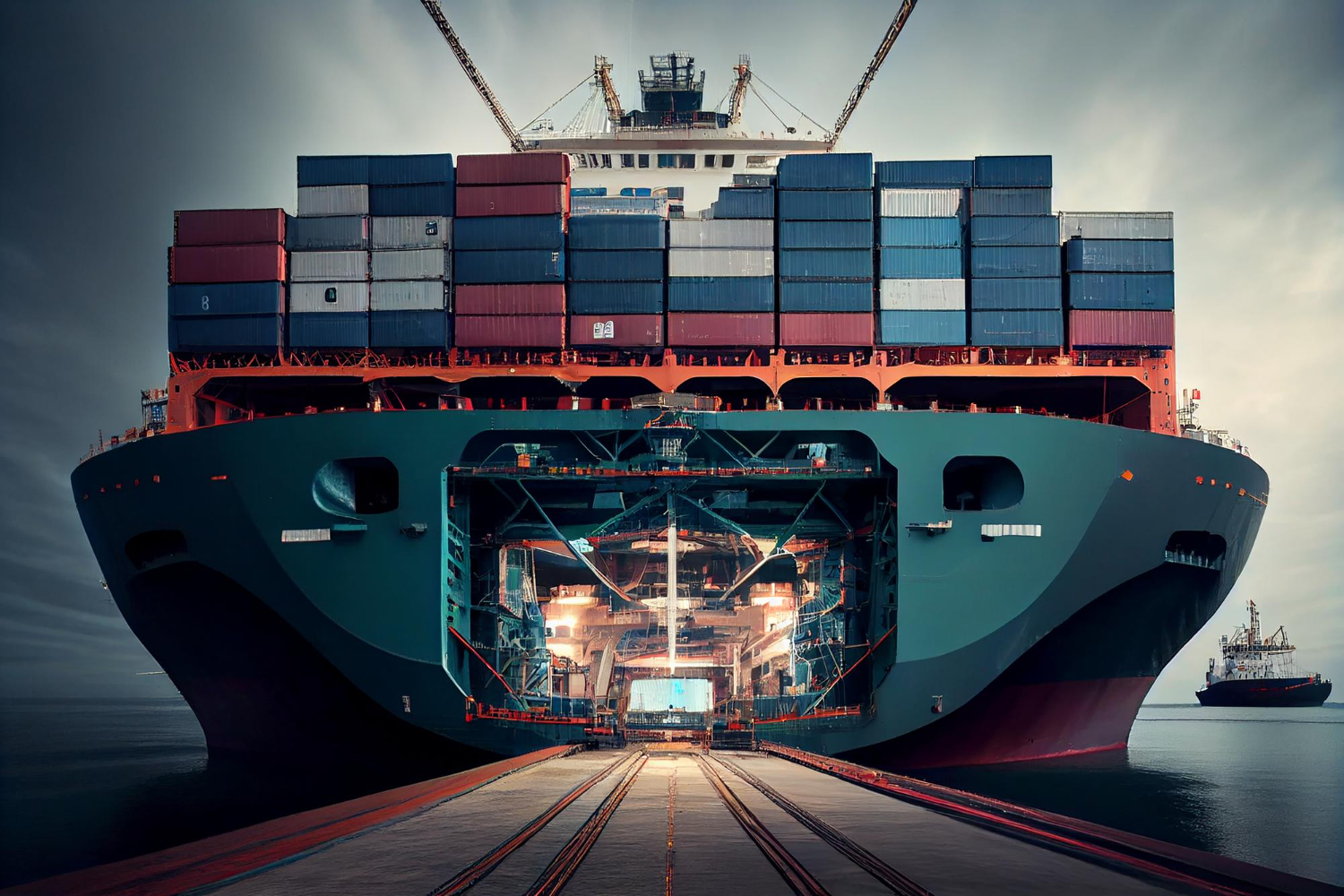
40GP FCL Best Route for Lighting from China to Georgia
The thriving lighting industry in Georgia relies heavily on efficient imports from China. Securing the 40GP FCL best route for lighting from China to Georgia is crucial for maintaining a competitive edge and ensuring timely product availability. This comprehensive guide navigates the complexities of international freight, offering insights into optimizing your supply chain for bulk lighting shipments.

Understanding 40GP FCL Shipping for Lighting to Georgia
First, a 40GP FCL refers to a 40-foot General Purpose Full Container Load. This means your lighting products will occupy an entire 40-foot container, not shared with other shippers’ cargo. Consequently, it offers maximum security and efficiency for large volume shipments.
Choosing FCL for your lighting imports from China to Georgia presents significant advantages. It minimizes handling, reduces the risk of damage, and often provides a more cost-effective solution per unit compared to Less than Container Load (LCL) options for substantial volumes. Moreover, FCL offers greater control over your shipping schedule and delivery times.
What are Key Considerations for Your China-Georgia Lighting Route?
Several factors critically impact the efficiency and cost of your sea freight route. Understanding these elements ensures a smoother import process for your lighting products. Therefore, careful planning is essential for a successful supply chain.
Choosing the right port of origin in China is vital. Major ports like Shanghai, Ningbo, Shenzhen, and Guangzhou offer frequent sailings and extensive logistical infrastructure. Your supplier’s location often dictates the most convenient loading port, influencing initial inland transportation costs and transit times.
For destination, Georgia primarily uses the Black Sea ports of Poti and Batumi. Poti is the largest and busiest port, offering better connectivity for onward distribution within Georgia and the wider Caucasus region. Selecting the appropriate discharge port is crucial for final delivery efficiency.
Transit time for a 40GP FCL from China to Georgia typically ranges from 30 to 40 days via sea, depending on the specific route and carrier. Schedule reliability is paramount for lighting businesses, as delays can impact project deadlines and inventory management. Always factor in potential unforeseen delays like port congestion.
Navigating customs clearance and documentation is another critical aspect. Proper classification of lighting products, accurate invoicing, and adherence to Georgian import regulations are non-negotiable. Errors can lead to significant delays and penalties, increasing your overall shipping costs. A reliable freight forwarder can expertly manage these complexities.
How Does Sea Freight Compare to Other Shipping Options for Lighting?
While sea freight is generally the best route for lighting from China to Georgia for 40GP FCL shipments, exploring alternatives provides a comprehensive understanding of your logistics choices. Each method has distinct advantages and limitations, particularly regarding speed, cost, and cargo type. Weighing these factors helps in making informed decisions for your supply chain.
For instance, air freight offers unparalleled speed but comes with a significantly higher price tag. Conversely, rail freight, while not a direct FCL option for Georgia from China, serves as a viable alternative for landlocked regions or as part of multimodal solutions to other European hubs. Understanding these trade-offs is key to optimizing your freight strategy.
Comparison Table: Shipping Methods China to Georgia
This table outlines the key differences between various shipping methods from China to Georgia, focusing on factors relevant to lighting imports.
| Shipping Method | Cost Range (40GP/equivalent) | Transit Time | Best For | Limitations |
|---|---|---|---|---|
| Sea Freight (FCL) | $3,000 – $5,500 | 30-40 days | Large volume, heavy, non-urgent lighting | Slowest option, port congestion risk |
| Air Freight | $15,000 – $25,000 | 5-8 days | Small, high-value, urgent lighting components | Very high cost, volume/weight restrictions |
| LCL Sea Freight | $150 – $250/CBM | 35-45 days | Small batches of lighting, lower volume | More handling, longer transit, higher per-unit cost for large volumes |
Alternative Strategies for Lighting Imports
Considering alternative approaches can further optimize your logistics. For example, if you have smaller, urgent lighting samples, air freight might be preferable despite the cost. Alternatively, for less time-sensitive but very large orders, consolidating multiple FCL shipments could yield better overall freight rates.
Hybrid solutions like sea-air combinations are not typically efficient for direct China to Georgia routes for FCL. However, for certain European destinations, such strategies can balance speed and cost. Always assess your specific cargo needs and urgency before committing to a single shipping method.
Decision Framework: Which Option Should You Choose?
Your choice of shipping method hinges on your priorities. If budget is the primary concern for your bulk lighting products, sea freight FCL is undoubtedly the most economical option. Conversely, if speed is paramount for a critical project deadline or new product launch, air freight is the only viable solution.
Cargo type also plays a role; delicate or high-value lighting fixtures may benefit from the reduced handling of FCL sea freight. For smaller volumes that don’t fill a 40GP, LCL sea freight offers a balance, though with longer transit times. Always evaluate your specific shipment against these criteria to select the optimal approach.

Navigating Freight Costs and Market Trends for Your Lighting Shipments
Understanding the various factors influencing freight rates is crucial for effective budget planning. These rates are dynamic, affected by global events, seasonal demands, and operational costs. Therefore, staying informed about market trends can lead to significant cost savings.
Key factors include fuel surcharges, port congestion, container availability, and carrier capacity. Geopolitical events, such as the Red Sea disruptions in late 2024 and early 2025, have also significantly impacted global shipping lanes and costs. Consequently, rates can fluctuate quickly.
As of Q1 2025, freight rates from China to the Black Sea region have stabilized somewhat after recent disruptions, though they remain higher than pre-pandemic levels. Typical rates for a 40GP FCL from major Chinese ports to Poti, Georgia, range from $3,500 to $5,500, excluding local charges and duties. These figures are subject to change based on market volatility.
Seasonal patterns also play a critical role. Rates typically increase by 15-25% during the peak shipping season from August to October, ahead of holidays like Christmas and Chinese New Year. Planning your lighting imports to avoid these periods can result in substantial cost savings. Moreover, early booking can often secure better rates.
To mitigate costs, consider booking well in advance, especially during peak seasons. Consolidating orders to maximize container utilization for a 40GP FCL also reduces per-unit costs. Furthermore, working with a freight forwarder who can negotiate favorable terms with multiple carriers is invaluable. Note: Freight rates are subject to change based on fuel costs, carrier capacity, and seasonal demand. Contact us for a current quote tailored to your specific shipment.
Real-World Scenarios: 40GP FCL Lighting Shipments to Georgia
Examining real-world case studies provides practical insights into the complexities and successful strategies for shipping lighting from China to Georgia. These examples illustrate the typical costs, transit times, and potential challenges involved. Understanding these scenarios helps prepare for your own imports.
Case Study 1: Commercial LED Panels for a New Office Complex
This case highlights a standard FCL shipment for a commercial project with moderate urgency.
| Detail | Description |
|---|---|
| Route | Ningbo, China -> Poti, Georgia |
| Cargo | 5,000 units of Commercial LED Panels, 65 CBM, 15,000 kg |
| Container | 1 x 40GP |
| Carrier/Service | COSCO (Major carrier) |
| Port of Loading | Ningbo |
| Port of Discharge | Poti |
| Route Type | Transshipment via Istanbul |
| Ocean Freight | $4,200 |
| Origin Charges (THC, documentation) | $350 |
| Destination Charges (DTHC, handling) | $450 |
| Customs & Duties (estimated) | $800 |
| Total Landed Cost | $5,800 |
| Booking to Loading | 7 days |
| Sea Transit | 35 days |
| Customs Clearance | 3 days |
| Total Door-to-Door | 45 days |
| Key Insight | Transshipment via Istanbul added a few days but offered a more competitive rate for this specific period (Q4 2024). |

Case Study 2: Decorative Home Lighting for Retail Distribution
This scenario involves a retailer importing a diverse range of decorative lighting fixtures, prioritizing careful handling.
| Detail | Description |
|---|---|
| Route | Shenzhen, China -> Poti, Georgia |
| Cargo | Assorted Decorative Lamps & Fixtures, 60 CBM, 12,000 kg |
| Container | 1 x 40GP |
| Carrier/Service | MSC (Major carrier) |
| Port of Loading | Shenzhen |
| Port of Discharge | Poti |
| Route Type | Direct service (limited availability) |
| Ocean Freight | $4,800 |
| Origin Charges (THC, documentation) | $400 |
| Destination Charges (DTHC, handling) | $500 |
| Customs & Duties (estimated) | $950 |
| Total Landed Cost | $6,650 |
| Booking to Loading | 10 days |
| Sea Transit | 32 days |
| Customs Clearance | 4 days |
| Total Door-to-Door | 46 days |
| Key Insight | Securing a less common direct service reduced transit time slightly but at a marginally higher ocean freight cost (Q1 2025 rates). |
Case Study 3: Emergency Order of Specialty Industrial Lighting
This case illustrates a situation where speed was a higher priority than absolute lowest cost due to an urgent industrial project.
| Detail | Description |
|---|---|
| Route | Shanghai, China -> Batumi, Georgia |
| Cargo | Industrial Floodlights & Components, 55 CBM, 18,000 kg |
| Container | 1 x 40GP |
| Carrier/Service | Maersk (Major carrier) |
| Port of Loading | Shanghai |
| Port of Discharge | Batumi |
| Route Type | Transshipment via Piraeus |
| Ocean Freight | $5,300 |
| Origin Charges (THC, documentation) | $380 |
| Destination Charges (DTHC, handling) | $480 |
| Customs & Duties (estimated) | $1,050 |
| Total Landed Cost | $7,210 |
| Booking to Loading | 5 days |
| Sea Transit | 38 days |
| Customs Clearance | 3 days |
| Total Door-to-Door | 48 days |
| Key Insight | Despite the urgency, FCL sea freight was still chosen due to volume. Higher freight cost reflected carrier availability and faster transshipment option (early 2025). |
Choosing the Right Logistics Partner for Your Lighting Imports
Selecting an experienced freight forwarder is paramount for successfully navigating the complexities of international shipping. A reliable partner can streamline your operations, reduce risks, and ensure cost-effective delivery of your lighting products. Their expertise in the China-Georgia route is invaluable.
Look for a partner who offers comprehensive services, including customs brokerage, warehousing, and local distribution. Furthermore, a freight forwarder with a strong network in both China and Georgia can provide real-time updates and proactive problem-solving. This partnership is crucial for managing your supply chain efficiently.
A truly comprehensive service would include door to door delivery, managing everything from your supplier’s factory to your final warehouse in Georgia. This minimizes your administrative burden and ensures a seamless transition of goods. Opting for such a service simplifies the entire import process, allowing you to focus on your core business.
Conclusion: Securing Your Optimal Lighting Route to Georgia
Ultimately, navigating the complexities of importing 40GP FCL lighting from China to Georgia requires careful planning and expert assistance. By understanding the nuances of sea freight, market trends, and critical considerations like ports and customs, businesses can make informed decisions. Choosing the right logistics partner is indispensable for a smooth, cost-effective, and reliable supply chain.
Indeed, an optimized <a href=”https://bestchinafreight.com/”>40GP FCL best route for lighting from China to Georgia</a> is not just about moving cargo; it’s about building a resilient and profitable business. Prioritize efficiency, cost-effectiveness, and reliability to ensure your lighting products reach their destination on time and within budget.
Need a tailored shipping solution?
Ready to optimize your lighting imports from China to Georgia? Contact our experts today for a personalized quote and discover the most efficient 40GP FCL best route for lighting from China to Georgia. We are here to streamline your supply chain and reduce your logistics costs.
