

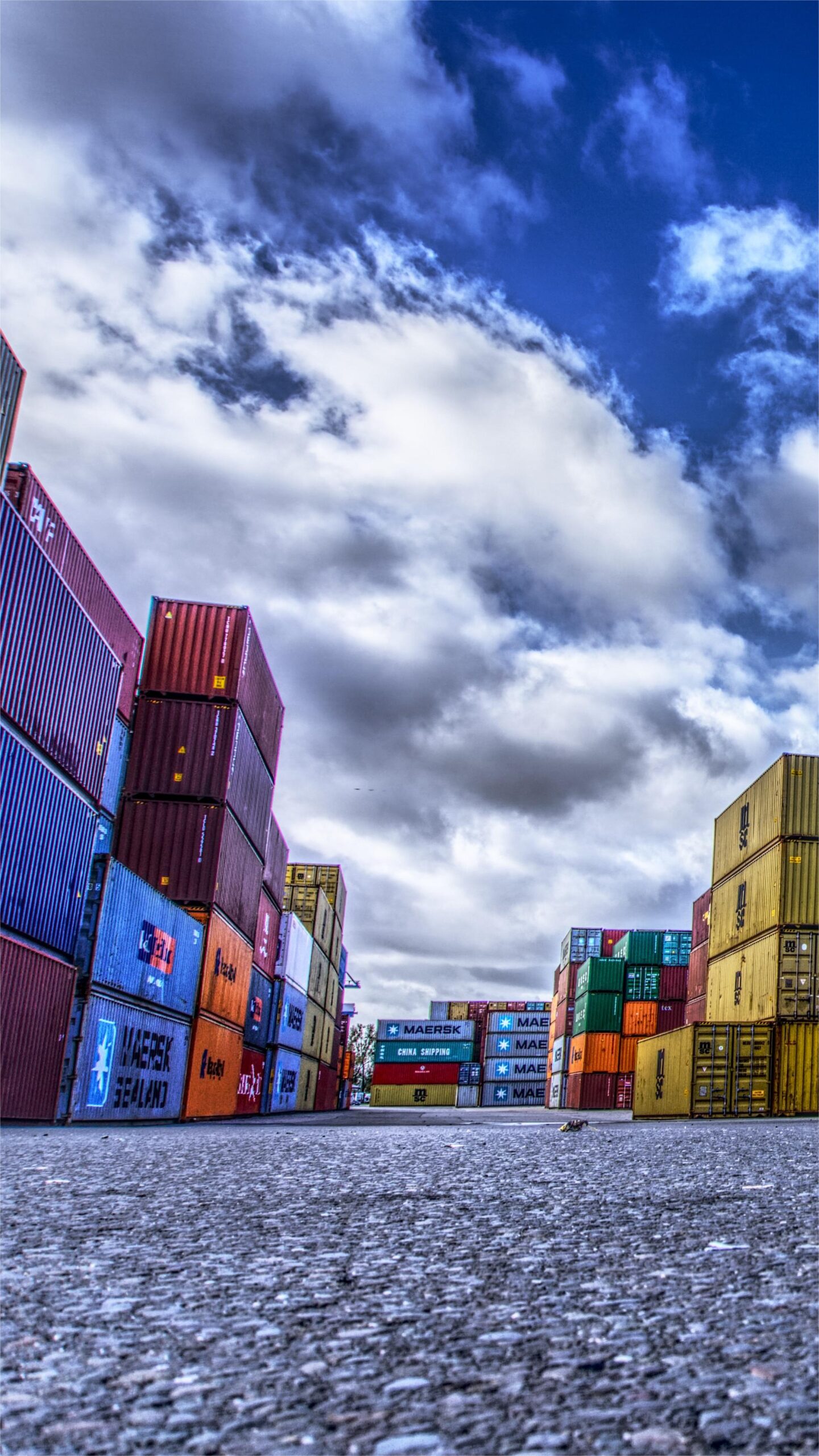
Flat Rack FCL: Best Route for Solar Panels from China to Italy
Shipping large volumes of solar panels from China to Italy presents unique logistical challenges. Specifically, Flat Rack Full Container Load (FCL) ensures secure, efficient transport for oversized or heavy modules. This guide explores the best route for solar panels from China to Italy, detailing critical supply chain considerations.
✦
What are Flat Rack FCL Containers and Why Use Them for Solar Panels?
Flat Rack containers are specialized shipping units, designed without side walls and often lacking a roof. These features suit oversized cargo, including large industrial solar panels. Their sturdy end walls provide essential stability for unwieldy items.
Choosing Full Container Load (FCL) for solar panels offers significant advantages. Your shipment occupies the entire container, leading to enhanced security and direct transit. This method substantially reduces handling, crucial for minimizing damage to delicate solar modules.
Moreover, FCL provides greater control over delivery schedules and predictable transit times. This predictability is vital for time-sensitive renewable energy projects. Therefore, Flat Rack FCL combines specialized equipment benefits with dedicated container space’s security and efficiency.
This approach is often the most cost-effective for substantial volumes of solar panels, ensuring cargo integrity. It forms a critical component of efficient sea freight logistics for project cargo. Specialized containers ensure secure solar panel transport.
Identifying the Best Maritime Routes from China to Italy
The most direct maritime routes from China to Italy primarily traverse the Suez Canal, connecting Asian and European markets. Major loading ports in China include Shanghai, Ningbo, Shenzhen, and Qingdao. Conversely, Italy’s key discharge ports are Genoa, La Spezia, and Livorno, offering excellent national distribution access.
Direct services from China to Italy typically boast transit times of 28 to 35 days, contingent on specific origin and destination ports. However, indirect routes, involving transshipment through hubs like Port Klang or Colombo, can extend these times by 5-10 days. Therefore, direct service often justifies a slightly higher cost for expedited delivery.
Recent global events, like Red Sea disruptions, have impacted established shipping lanes. Many carriers, as of Q1 2025, opt for longer routes around the Cape of Good Hope, adding considerable transit time and fuel surcharges. Consequently, real-time logistics trends must be continuously monitored for accurate planning and efficient shipping from China to Europe.
Understanding these route variations is crucial for effective supply chain management when shipping solar panels China to Italy. It allows for proactive adjustments to delivery schedules and budget allocations. Choosing a reliable freight forwarder with current market intelligence is paramount.
Key Factors Influencing Flat Rack FCL Shipping Costs and Transit Times
Several critical factors determine overall shipping costs and transit times for Flat Rack FCL solar panels. These include the origin port in China, the destination port in Italy, and the specific shipping line chosen. Additionally, fluctuating seasonal demand, bunker adjustment factors (BAF), and container availability significantly impact current freight rates.
Peak shipping seasons, typically from August to October and prior to Chinese New Year, frequently see rates escalate by 15-25%. Therefore, planning shipments outside these periods can yield considerable cost savings. Furthermore, the specific type and size of the Flat Rack container directly affect pricing, with larger units incurring higher ocean freight charges.
Beyond ocean freight, numerous other charges contribute to the total landed cost. These encompass origin charges like terminal handling and documentation fees, alongside destination charges including port fees and local drayage. Moreover, applicable customs duties and VAT in Italy must be meticulously factored into overall budget forecasting for import/export.
Accurate budgeting requires understanding all cost components. Market data suggests additional charges can reach 20-30% of ocean freight. Therefore, a detailed breakdown from your logistics partner is invaluable for effective supply chain management.
Note: Freight rates are subject to change based on fuel costs, carrier capacity, and seasonal demand. Contact us for a current quote tailored to your specific shipment.

How Does Flat Rack FCL Compare to Other Shipping Options?
When planning solar panel transport, a thorough comparison of Flat Rack FCL with alternative shipping methods is essential. Each option presents distinct advantages and disadvantages concerning cost, speed, and cargo suitability. Understanding these differences aids informed logistics decisions for your supply chain.
While air freight offers unparalleled speed, its cost for bulky items like solar panels becomes prohibitively high for most projects. Conversely, standard FCL containers might not accommodate oversized solar modules, necessitating specialized equipment. Therefore, a meticulous evaluation of cargo dimensions, project timelines, and budget constraints is paramount.
Consider rail freight as an alternative for certain routes from China to Europe. It offers a balance between sea freight’s cost-effectiveness and air freight’s speed, typically delivering in 18-25 days. However, rail services may have limitations regarding oversized cargo, requiring careful pre-planning.
Moreover, Less than Container Load (LCL) shipping is an option for smaller volumes, but involves increased handling and longer transit times. This raises damage risk for delicate solar panels. Consequently, Flat Rack FCL remains preferred for large, oversized, or high-value shipments due to specialized handling and security.
Navigating Customs Clearance and Import Regulations for Italy
Effective customs brokerage is indispensable for smooth solar panel imports into Italy. Importers must rigorously comply with stringent EU regulations, encompassing precise documentation, accurate tariff classifications, and timely VAT payments. Incorrect paperwork can lead to significant delays, fines, and additional costs, severely impacting delivery schedules.
Key documents typically include the commercial invoice, a detailed packing list, the bill of lading, and a certificate of origin. Furthermore, solar panels entering the EU market often necessitate specific quality and safety certifications, such as the CE marking. Therefore, engaging an experienced customs broker is highly recommended to navigate these complex compliance requirements.
Accurately identifying Harmonized System (HS) codes for solar panels is crucial for precise duty and tax calculation. Italy, as an EU member, adheres to common customs policies, but local interpretations can apply. Proactive preparation and expert guidance significantly mitigate potential customs-related issues, ensuring efficient cargo handling and seamless entry.
Understanding import regulations for solar in Italy is vital. A professional broker assists with EORI, Incoterms, and anti-dumping duties. This expertise safeguards against unforeseen import/export complications.
Optimizing Your Supply Chain: Door-to-Door Solutions for Solar Panels
An integrated door-to-door service streamlines the entire shipping process, from the manufacturing facility in China directly to your project site in Italy. This comprehensive solution covers all logistical aspects, including inland transport, port handling, ocean freight, customs clearance, and final delivery. Consequently, it significantly minimizes coordination efforts for the importer.
Opting for a single point of contact for your international shipping needs dramatically simplifies supply chain management. This consolidated approach reduces the complexity of dealing with multiple vendors and mitigates potential communication gaps. Therefore, it enhances overall efficiency and provides greater visibility over the entire transit, especially for valuable cargo like solar panels.

A robust door-to-door service frequently includes comprehensive cargo insurance options, providing essential financial protection against unforeseen events during transit. This holistic approach ensures your solar panels arrive safely and precisely on schedule. Ultimately, it contributes directly to the successful execution of your renewable energy initiatives, embodying true logistics for renewable energy projects.
Indeed, such a service is invaluable for project cargo logistics, offering peace of mind and predictable delivery schedules. It allows businesses to focus on installation and operation rather than intricate shipping details. Therefore, choosing a reliable partner for end-to-end solutions is a strategic decision for supply chain optimization.
Case Studies: Real-World Flat Rack FCL Shipments to Italy
Exploring real-world examples illustrates the practical application and benefits of Flat Rack FCL shipping for solar panels. These detailed case studies highlight typical routes, associated costs, and realistic timelines, offering invaluable insights into efficient logistics planning. They demonstrably showcase successful project cargo logistics from China to Italy.
These scenarios reflect common challenges and optimal solutions encountered when transporting oversized solar modules. They provide a tangible understanding of how strategic choices impact the overall success of international renewable energy ventures. Based on current market rates, these examples offer actionable intelligence for future shipments.
This project involved shipping substantial oversized solar panels destined for a new solar farm in Southern Italy. The client prioritized cost-effectiveness and secure transport for delicate, high-value modules. Flat Rack FCL proved ideal for this large-volume shipment, optimizing both budget and cargo safety.
| Detail | Description |
|---|---|
| Route | Ningbo, China -> Genoa, Italy |
| Cargo | Oversized Monocrystalline Solar Panels, 120 CBM, 45,000 kg |
| Container | Three 40′ Flat Rack FCL |
| Shipping Details | Major carrier (e.g., COSCO), Port of Loading: Ningbo, Port of Discharge: Genoa, Route Type: Direct |
| Cost Breakdown (Total Landed) | Ocean Freight: $10,800, Origin Charges: $1,250, Destination Charges: $1,550, Customs & Duties (estimated): $2,900, Total Landed Cost: $16,500 (Based on Q3 2024 market rates) |
| Timeline (Door-to-Door) | Booking to Loading: 7 days, Sea Transit: 30 days, Customs Clearance: 3 days, Total Door-to-Door: 45 days |
| Key Insight | The direct route minimized transit time, crucial for project deadlines. Careful planning for oversized dimensions was vital for smooth port operations. |

A commercial client required importing medium volumes of high-efficiency solar panels for a rooftop project in Northern Italy. The panels’ dimensions slightly exceeded what standard containers could handle. Flat Rack FCL offered necessary flexibility and security for these valuable items, ensuring timely delivery.
This shipment demonstrated the importance of precise container selection for specialized cargo. Using a Flat Rack container prevented potential damage during loading and unloading. Consequently, the project maintained its tight installation schedule, underscoring tailored logistics solutions’ value.
| Detail | Description |
|---|---|
| Route | Shanghai, China -> La Spezia, Italy |
| Cargo | High-Efficiency Polycrystalline Solar Panels, 75 CBM, 28,000 kg |
| Container | Two 40′ Flat Rack FCL |
| Shipping Details | Major carrier (e.g., MSC), Port of Loading: Shanghai, Port of Discharge: La Spezia, Route Type: Transshipment via Singapore |
| Cost Breakdown (Total Landed) | Ocean Freight: $8,200, Origin Charges: $850, Destination Charges: $1,050, Customs & Duties (estimated): $2,000, Total Landed Cost: $12,100 (Typical rates as of early 2025) |
| Timeline (Door-to-Door) | Booking to Loading: 9 days, Sea Transit: 38 days, Customs Clearance: 4 days, Total Door-to-Door: 55 days |
| Key Insight | The transshipment route proved more cost-effective for this budget-conscious client, despite adding transit time. Proactive customs documentation greatly expedited destination handling. |
This scenario involved urgent importation of replacement solar modules, with non-standard dimensions, due to an unexpected project requirement. While speed was a higher priority than lowest cost, air freight remained prohibitively expensive. Consequently, a Flat Rack FCL solution, offering a slightly faster transit time option, was strategically selected.
Securing a premium direct service for a Flat Rack container was pivotal in meeting the urgent timeline. This flexibility highlights the importance of a freight forwarder adapting to unforeseen circumstances. Effectively balancing speed and cost prevented significant project delays.
| Detail | Description |
|---|---|
| Route | Shenzhen, China -> Livorno, Italy |
| Cargo | Specialized Thin-Film Solar Modules, 30 CBM, 10,000 kg |
| Container | One 20′ Flat Rack FCL |
| Shipping Details | Major carrier (e.g., Maersk), Port of Loading: Shenzhen, Port of Discharge: Livorno, Route Type: Direct (Premium Service) |
| Cost Breakdown (Total Landed) | Ocean Freight: $4,800, Origin Charges: $620, Destination Charges: $720, Customs & Duties (estimated): $1,150, Total Landed Cost: $7,290 (Based on current market rates, Q1 2025) |
| Timeline (Door-to-Door) | Booking to Loading: 5 days, Sea Transit: 28 days, Customs Clearance: 2 days, Total Door-to-Door: 38 days |
| Key Insight | Opting for a premium direct service significantly reduced transit time, crucial for project continuity. Utilizing a smaller Flat Rack container proved more economical for the lower volume. |
Streamlining Your Solar Panel Imports to Italy
Navigating the complexities of international shipping for solar panels requires specialized expertise and strategic planning. Choosing the Flat Rack FCL best route for solar panels from China to Italy involves carefully balancing cost, transit time, and cargo security. Partnering with an experienced freight forwarder is essential for achieving seamless success.
A comprehensive understanding of current market conditions, intricate customs regulations, and all available shipping options empowers importers to make informed decisions. By meticulously optimizing your supply chain, you can ensure timely and cost-effective delivery of critical renewable energy components. Ultimately, seamless logistics contribute significantly to both project success and long-term profitability.