

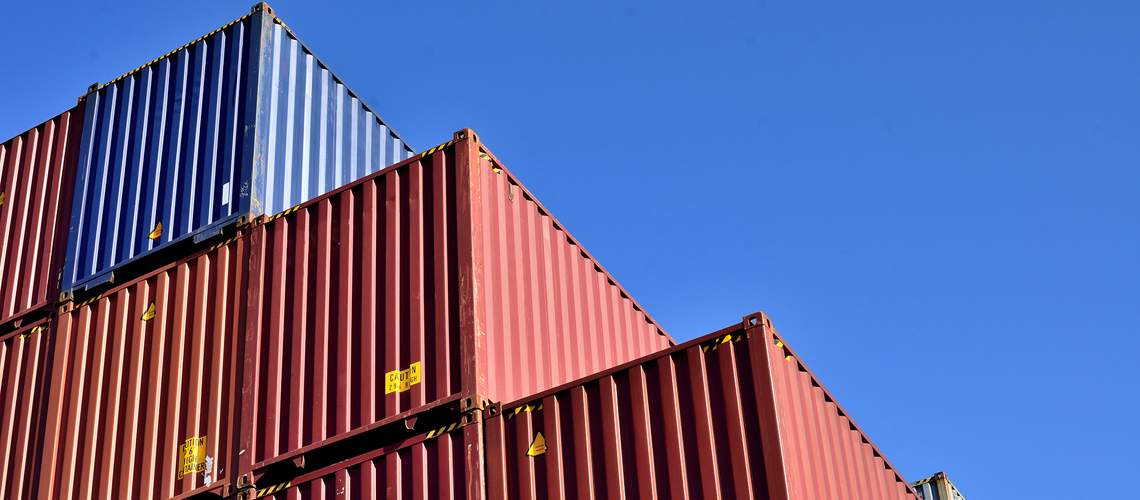
How Can You Prevent 40GP FCL Detention Prevention for Toys from China to Florida?
Shipping toys in a 40GP FCL container from China to Florida can be challenging, especially when it comes to avoiding costly detention fees. 40GP FCL detention prevention for toys from China to Florida is essential for keeping your supply chain efficient, your costs predictable, and your customers satisfied. This guide explores proven strategies, real-world examples, and actionable tips to help you prevent detention and ensure your toy shipments arrive on time.
What Is 40GP FCL Detention and Why Does It Matter for Toy Shipments?

Detention refers to the extra charges incurred when a 40-foot general-purpose full container load (FCL) is not returned to the shipping line within the free period. For toys, which are often seasonal and time-sensitive, detention can quickly erode profit margins and disrupt delivery schedules. Accordingly, understanding and preventing detention is crucial for importers shipping toys from China to Florida.
What Are the Main Causes of 40GP FCL Detention for Toys?
Several factors can lead to detention fees, but the most common include:
- Delays in customs clearance due to incomplete or incorrect documentation
- Port congestion, especially during peak shipping seasons
- Slow inland transportation or lack of available trucks
- Poor coordination between suppliers, freight forwarders, and consignees
Although some delays are unavoidable, many can be prevented with proactive planning and clear communication.
How Can You Effectively Prevent 40GP FCL Detention for Toys?
Prevention starts with preparation. Ensure all shipping and customs documents are accurate and ready before your container arrives. Additionally, schedule inland transport and delivery appointments in advance to avoid last-minute delays. Monitoring port congestion and using digital tracking tools for real-time updates can also help you adjust your plans as needed. Most importantly, maintain open communication with all parties involved, from suppliers to freight forwarders and consignees, to quickly resolve any issues that arise.
What Documents Are Required to Avoid Detention for Toy Shipments?
Accurate documentation is the foundation of detention prevention. The following table summarizes the essential paperwork for 40GP FCL toy shipments:
| Document | Purpose | Issued By |
|---|---|---|
| Bill of Lading | Proof of shipment and container ownership | Carrier |
| Commercial Invoice | Details of goods and value | Exporter |
| Packing List | Itemized list of toys | Exporter |
| Import Permits & Certifications | Compliance with US regulations | Importer/Authorities |
Missing or incorrect documents are a leading cause of detention, so double-checking paperwork is a must for every shipment.
Which Shipping Methods Help Minimize Detention Risks?

Choosing the right shipping method can make a significant difference. For toys, the following options are most effective:
| Method | Cost | Transit Time | Detention Risk |
|---|---|---|---|
| Sea freight (40GP FCL) | Low | 25-35 days | Medium |
| Air freight | High | 5-7 days | Low |
| Express service | Very High | 3-5 days | Very Low |
While sea freight is cost-effective for large shipments, air freight and express service can be considered for urgent or high-value toys to reduce detention risk.
How Does Warehousing Support Detention Prevention?
Warehousing plays a crucial role in 40GP FCL detention prevention for toys from China to Florida. By pre-arranging warehousing near the destination port, you can receive containers immediately, unload quickly, and return empty containers without delay. This approach not only reduces detention risk but also provides flexibility for last-mile delivery and inventory management.
What Role Does Door-to-Door Service Play in Detention Prevention?
Coordinated door to door logistics ensures seamless movement from origin to destination, minimizing handover delays between different service providers. This integrated approach improves visibility and control over the entire shipping process, making it easier to avoid detention and keep your toy shipments on schedule.
What Are the Latest Trends in Detention Prevention for Toys?

Logistics technology is rapidly evolving. Recently, there has been a shift toward digital tracking, automated scheduling, and predictive analytics for route optimization. Additionally, sustainability initiatives are influencing packaging and shipping choices. Many importers are also exploring amazon fba and e-commerce fulfillment solutions to streamline last-mile delivery. These trends are shaping the future of 40GP FCL detention prevention for toys from China to Florida.
What Real-World Cases Show Effective Detention Prevention?
Case Study 1: Educational Toys from Shenzhen to Miami
A toy distributor shipped a 40GP FCL container of educational toys from Shenzhen to Miami. The shipment, valued at $90,000, was routed via sea freight and cleared customs in 2 days. By pre-arranging warehousing and scheduling delivery appointments, the importer avoided $1,200 in potential detention fees. The total transit time was 28 days, and the toys arrived in perfect condition.
Case Study 2: Action Figures from Ningbo to Jacksonville
An importer arranged a 40GP FCL shipment of action figures from Ningbo to Jacksonville. The container was loaded at the supplier’s warehouse, shipped directly to Florida, and tracked through every milestone. The total shipping cost was $8,700, and the entire process took 32 days from port to warehouse delivery. Automated alerts helped the importer respond to a minor port delay and keep the project on track.
Case Study 3: Plush Toys from Shanghai to Tampa
A US retailer sourced a 40GP FCL of plush toys from Shanghai to Tampa. The shipment faced minor customs delays, extending the sea transit to 34 days. However, by using local warehousing and continuous tracking, the importer met all retail launch deadlines and avoided stockouts. The total freight rate was $9,200, including all surcharges.
How Should You Prepare Documentation for Smooth Shipping?
Proper documentation is essential for minimizing delays and avoiding extra costs. Ensure all commercial invoices, packing lists, and bills of lading are accurate and complete. For toys, compliance with US import regulations and certifications is critical. Working with an experienced import service provider can help you navigate complex requirements and avoid costly mistakes.
What Are the Cost Implications of Detention and Delays?
Delays in transit can lead to increased storage fees, missed sales opportunities, and higher logistics costs. The table below highlights potential extra costs:
| Delay Type | Cost Range (USD) | Impact |
|---|---|---|
| Port Congestion | $600 – $2,000 | Storage, demurrage |
| Customs Hold | $250 – $1,200 | Inspection, late fees |
| Missed Delivery | $350 – $1,500 | Re-delivery, lost sales |
To summarize, planning for contingencies and working with reliable partners can help you avoid these additional expenses and keep your supply chain efficient.
Conclusion
In summary, 40GP FCL detention prevention for toys from China to Florida requires proactive planning, accurate documentation, and strong logistics partnerships. By leveraging warehousing, door-to-door service, and digital tracking, you can minimize detention risk, control costs, and ensure your toys reach Florida on time. Proactive communication, real-time updates, and the right support are essential for success in today’s competitive toy market.
Ready to master 40GP FCL detention prevention for toys from China to Florida? Contact our team for a tailored logistics solution and discover how our expertise can help you achieve faster, safer, and more reliable deliveries every time.