

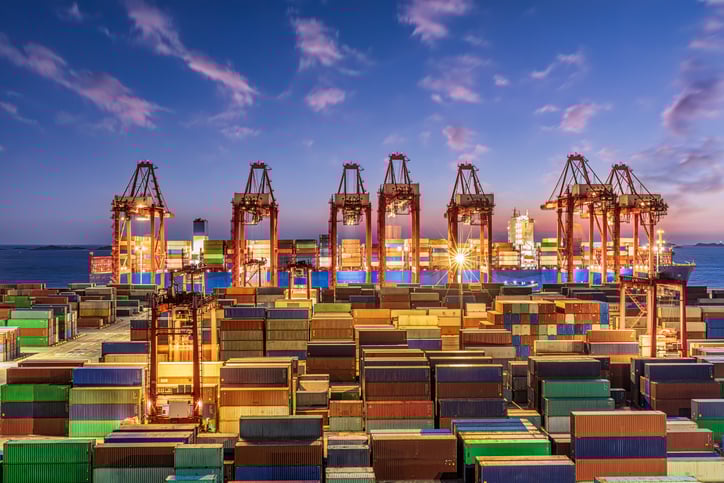
What Is the Best Reefer FCL Route for Textiles from China to Czech Republic?
Shipping textiles from China to the Czech Republic in a Reefer FCL container requires careful route selection to ensure product quality and timely delivery. The Reefer FCL best route for textiles from China to Czech Republic balances transit time, cost, and temperature control, all while navigating customs and logistics challenges. This guide explores optimal shipping strategies, real-world examples, and actionable tips to help you make the right choice for your textile supply chain.
Why Use Reefer FCL for Shipping Textiles from China to Czech Republic?

Textiles are sensitive to humidity, temperature fluctuations, and contamination during long-distance transport. Although standard containers are often used, a Reefer FCL (Full Container Load) provides controlled conditions, reducing the risk of mold, mildew, and product degradation. As a result, many textile importers choose Reefer FCL for high-value or delicate fabrics, especially when shipping to Central Europe.
What Are the Main Shipping Routes for Reefer FCL from China to Czech Republic?
There are several viable routes for Reefer FCL shipments from China to the Czech Republic. The most common options include:
- Sea Freight + Rail Freight: Ship by sea to a major European port (such as Hamburg, Bremerhaven, or Rotterdam), then transfer to rail for inland delivery to the Czech Republic.
- Sea Freight + Trucking: Ship by sea to a European port, then use trucking for the final leg to the Czech Republic.
- Direct Rail Freight: For certain textile shipments, direct rail from China to Central Europe is available, offering faster transit and stable conditions.
Each route has its own advantages and trade-offs, which we will explore in detail below.
How Do Transit Time and Cost Compare for Each Route?
Transit time and cost are critical factors when selecting the Reefer FCL best route for textiles from China to Czech Republic. The following table compares the main options:
| Route | Transit Time | Estimated Cost (USD) | Best For |
|---|---|---|---|
| Sea + Rail | 22-28 days | $7,500 – $10,000 | Balanced speed and cost |
| Sea + Truck | 25-32 days | $8,000 – $11,000 | Flexible delivery |
| Direct Rail | 15-20 days | $10,000 – $13,000 | Fast, urgent shipments |
What Are the Key Factors in Choosing the Best Route?
Several factors should be considered when selecting the Reefer FCL best route for textiles from China to Czech Republic:
- Required delivery timeline and project deadlines
- Budget constraints and total landed cost
- Seasonal demand and port congestion
- Availability of reefer equipment and carrier schedules
- Customs clearance complexity and documentation
- Risk of temperature excursions or cargo delays
Moreover, working with an experienced freight forwarder like TJ China Freight can help you navigate these variables and select the optimal route for your needs.
How Does Customs Clearance Affect the Shipping Process?

Customs clearance is a critical step that can impact both transit time and cost. Incomplete or incorrect paperwork often leads to inspections, holds, and extra fees, delaying your textiles shipment. To avoid such issues, it is vital to work with a professional customs brokerage service that understands both Chinese and European import/export regulations. Additionally, pre-clearing documents and ensuring compliance with all product certifications can help streamline the process and avoid costly delays.
What Are the Advantages of Using Rail Freight for Textiles?
Rail freight is increasingly popular for textile shipments from China to Central Europe. Although it is generally more expensive than sea freight, it offers several advantages:
- Faster transit times (as little as 15 days)
- Stable temperature and humidity control
- Reduced risk of port congestion and delays
- Direct routes to key logistics hubs in the Czech Republic
For urgent or high-value textile shipments, rail freight can be the best solution.
How Can Warehousing and Door-to-Door Service Improve Efficiency?
Warehousing near major European ports or rail terminals can help you manage inventory, reduce demurrage, and schedule timely deliveries. By leveraging warehousing services, you can quickly offload containers and store textiles in optimal conditions. Additionally, door to door solutions simplify the process, ensuring your textiles are delivered directly to your facility in the Czech Republic without unnecessary handovers or delays.

What Are the Latest Trends in Textile Shipping from China to Czech Republic?
Logistics trends are constantly evolving. Recently, there has been a shift toward digitalization, with more companies adopting real-time tracking and automated documentation. Additionally, sustainability initiatives are influencing packaging and shipping choices. Many importers are also exploring express service for urgent samples or small-batch shipments. These trends are shaping the future of Reefer FCL best route for textiles from China to Czech Republic.
What Real-World Cases Illustrate the Best Reefer FCL Routes for Textiles?
Case Study 1: Fashion Fabrics from Shanghai to Prague via Sea + Rail
A Czech textile importer shipped a Reefer FCL container of high-end fashion fabrics from Shanghai to Prague. The shipment, valued at $120,000, was routed via sea to Hamburg and then by rail to Prague. The total transit time was 25 days, and the freight cost was $8,900. By using digital tracking and pre-cleared documents, the importer avoided delays and maintained product quality.
Case Study 2: Technical Textiles from Ningbo to Brno via Direct Rail
An industrial supplier arranged a Reefer FCL shipment of technical textiles from Ningbo to Brno. The container was loaded at the supplier’s warehouse and shipped directly by rail, arriving in 17 days. The total shipping cost was $11,200, and the shipment was delivered on schedule, meeting a tight project deadline.
Case Study 3: Home Textiles from Shenzhen to Ostrava via Sea + Truck
A home goods retailer sourced a Reefer FCL of home textiles from Shenzhen. The shipment was sent by sea to Rotterdam, then trucked to Ostrava. Despite minor port congestion, the total transit time was 30 days, and the freight rate was $9,700. Warehousing in Rotterdam helped manage inventory and avoid demurrage fees.
How Should You Prepare Documentation for Smooth Shipping?
Proper documentation is essential for minimizing delays and avoiding extra costs. Ensure all commercial invoices, packing lists, and bills of lading are accurate and complete. For textiles, compliance with EU import regulations and certifications is critical. Working with an experienced import service provider can help you navigate complex requirements and avoid costly mistakes.
What Are the Cost Implications of Delays in Reefer FCL Shipping?
Delays in transit can lead to increased storage fees, missed sales opportunities, and higher logistics costs. The table below highlights potential extra costs:
| Delay Type | Cost Range (USD) | Impact |
|---|---|---|
| Port Congestion | $600 – $2,000 | Storage, demurrage |
| Customs Hold | $250 – $1,200 | Inspection, late fees |
| Missed Delivery | $350 – $1,500 | Re-delivery, lost sales |
To summarize, planning for contingencies and working with reliable partners can help you avoid these additional expenses and keep your freight rate under control.
Conclusion
In summary, the Reefer FCL best route for textiles from China to Czech Republic depends on your priorities for speed, cost, and cargo safety. By understanding the available options, leveraging expert logistics support, and preparing accurate documentation, you can optimize your supply chain and ensure your textiles arrive in perfect condition. Proactive planning, real-time tracking, and the right partners are essential for success in today’s competitive textile market.
Ready to optimize your Reefer FCL best route for textiles from China to Czech Republic? Contact our team for a tailored shipping solution and discover how our expertise can help you achieve faster, safer, and more reliable deliveries every time.