

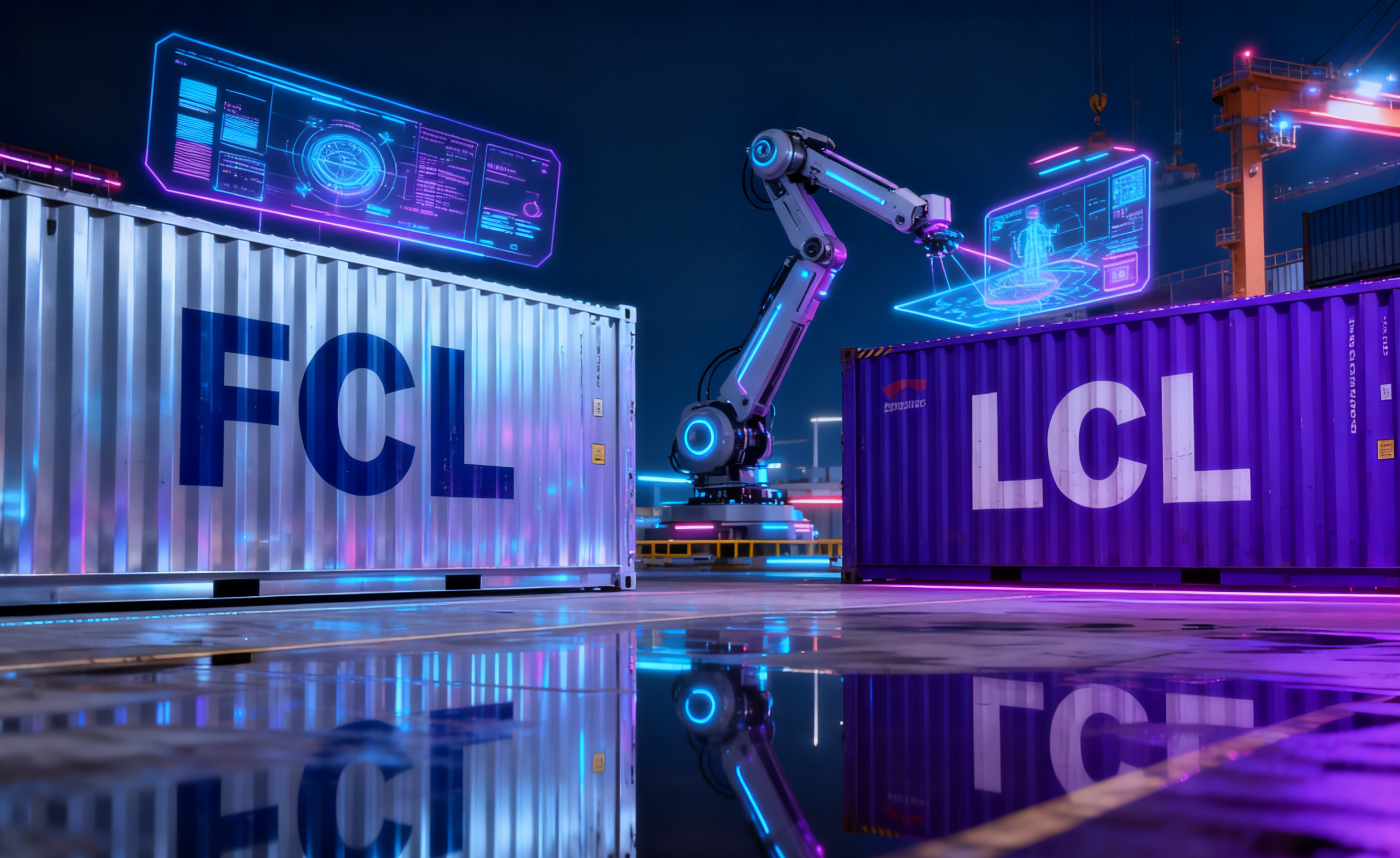
What’s the Best Container Shortage Solution for FCL Shipping from China to USA?
Container shortages have become a major challenge for importers managing FCL shipping from China to USA. However, with the right container shortage solution for FCL shipping from China to USA, you can secure space, avoid costly delays, and keep your supply chain moving. This guide explores the causes of shortages, proven solutions, and expert strategies to help you navigate the current shipping landscape.
Why Are Container Shortages Disrupting FCL Shipping from China to USA?

Container shortages are driven by global supply chain imbalances, surging demand, and port congestion. For FCL (Full Container Load) shipments, especially 20GP and 40HQ containers, space can be booked out weeks in advance. Additionally, shipping lines may prioritize long-term contracts or high-volume shippers, making it harder for smaller importers to secure space. As a result, early planning and flexible solutions are essential for FCL shipping from China to USA.
| Cause | Impact | Solution |
|---|---|---|
| Peak Season Demand | Space shortage, higher rates | Book early, flexible dates |
| Port Congestion | Delays, container imbalance | Alternative ports, transshipment |
| Global Disruptions | Unpredictable shortages | Multi-port strategy, forwarder support |
Accordingly, understanding these causes helps you develop a proactive container shortage solution.
How to Secure FCL Space for Shipping from China to USA?
Securing FCL space starts with early booking and strong relationships with your freight forwarder. Leading forwarders like TJ China Freight have direct access to shipping line allocations and can provide real-time updates on container availability. Additionally, consider flexible shipping dates, alternative ports (such as Ningbo or Qingdao), and transshipment options to increase your chances of securing FCL space. On the other hand, consolidating shipments or upgrading to a 40HQ FCL may be a viable alternative if 20GPs are unavailable.
| Strategy | Benefit | When to Use |
|---|---|---|
| Book Early | Higher chance of space | Peak season, urgent cargo |
| Flexible Ports | More options, less congestion | Severe shortages |
| Consolidation | Cost savings, space access | Multiple suppliers, small lots |
Moreover, always confirm space availability at least 3-4 weeks before your planned shipment date.
What Are the Best Container Shortage Solutions for FCL Shipping?
There are several proven solutions to overcome a container shortage for FCL shipping from China to USA. First, work with a forwarder that offers sea freight expertise and has strong relationships with multiple shipping lines. Second, consider using express service for urgent or high-value shipments. Additionally, explore the possibility of using 40HQ FCLs or sharing containers with other shippers (groupage) to maximize space utilization. On the other hand, leveraging warehousing and transshipment can help you manage inventory and avoid bottlenecks.

| Solution | Advantage | Drawback |
|---|---|---|
| 40HQ FCL Upgrade | More space, easier booking | Higher cost if underfilled |
| Groupage/LCL | Share space, lower cost | Longer transit, more handling |
| Express Service | Fast, reliable | Premium rates |
Accordingly, a flexible approach is key to overcoming container shortages.
How Can Warehousing and Inventory Management Help?
Warehousing plays a crucial role in any container shortage solution for FCL shipping from China to USA. By using warehousing services in China or at transshipment hubs, you can consolidate shipments, store inventory during shortages, and quickly load containers when space becomes available. Additionally, inventory management systems help you track stock levels, forecast demand, and plan shipments more effectively. As a result, you can reduce demurrage, detention, and last-minute shipping costs.
| Benefit | How It Helps | When to Use |
|---|---|---|
| Consolidation | Combine small lots for FCL | Multiple suppliers |
| Buffer Stock | Ship when space is available | Unpredictable shortages |
| Faster Loading | Quick response to space | Short notice bookings |
Moreover, warehousing can be combined with door to door delivery for seamless logistics.
What Documentation Is Required for FCL Shipping?
Proper documentation is essential for smooth customs clearance and delivery. The main documents required include the commercial invoice, packing list, bill of lading, and, if applicable, a certificate of origin. Additionally, U.S. Customs may request product-specific certifications for certain goods. Without a doubt, incomplete or inaccurate paperwork can result in delays or fines. Therefore, it’s advisable to work with a forwarder offering customs brokerage services to ensure compliance.
| Document | Purpose |
|---|---|
| Commercial Invoice | Details value and description of goods |
| Packing List | Lists contents and packaging details |
| Bill of Lading | Proof of shipment and ownership |
| Certificate of Origin | Confirms manufacturing country |

To summarize, preparing all documents in advance will help you avoid unnecessary delays at the port of USA.
How to Optimize Booking and Communication During Container Shortages?
Optimizing your booking process and communication is vital during a container shortage. Start by sharing accurate forecasts and shipping plans with your forwarder. Additionally, maintain open lines of communication to receive updates on space availability, vessel schedules, and alternative solutions. Moreover, use digital booking platforms and tracking tools to monitor your shipments in real time. On the other hand, always review your shipping contract for space guarantees and cancellation policies. Without a doubt, proactive communication is the best way to secure space and avoid last-minute surprises.
- Share forecasts and plans early
- Stay flexible with dates and ports
- Use digital tools for booking and tracking
- Review contracts for space guarantees
As a result, you can maintain a reliable supply chain even during global disruptions.
Case Study 1: Solving Container Shortage for FCL Shipping from Shanghai to Los Angeles
In April 2024, a US electronics importer faced a severe 40HQ FCL shortage at Shanghai port. By working with TJ China Freight, the company split shipments into multiple 20GP FCLs, consolidated cargo from several suppliers, and used warehousing to manage inventory. The total shipping cost was $10,800, and the shipment arrived in Los Angeles in 22 days, meeting the client’s production schedule without incurring extra fees.
Case Study 2: Using Express Service and Alternative Ports for FCL Shipping from Ningbo to New York
Another client, a distributor, needed urgent delivery of 9,000 kg of goods but could not secure a 40HQ FCL. The forwarder arranged express service from Ningbo, using groupage and transshipment via Seattle. The total logistics cost was $7,200, and the shipment reached New York in 15 days, allowing the distributor to avoid costly production delays.
How to Future-Proof Your Supply Chain Against Container Shortages?
To future-proof your supply chain against container shortages, develop a multi-port strategy, maintain buffer stock in key locations, and build strong relationships with forwarders and carriers. Additionally, invest in digital supply chain tools for real-time visibility and flexible booking. Moreover, consider long-term contracts or space guarantees with your logistics partners. On the other hand, always have contingency plans for alternative shipping modes or emergency air freight if needed.
- Multi-port and multi-carrier strategy
- Maintain buffer stock and warehousing
- Invest in digital supply chain tools
- Negotiate long-term contracts
Accordingly, these steps will help you stay resilient in a volatile shipping market.
What Are the Benefits of Working with a Professional Freight Forwarder?
Partnering with a professional freight forwarder like TJ China Freight offers several advantages for solving container shortages. First, experienced forwarders provide access to multiple shipping lines, real-time space updates, and alternative solutions. Second, they offer a full range of services, including customs brokerage, warehousing, and door-to-door delivery. Additionally, forwarders can negotiate better rates and help you avoid unnecessary costs. To illustrate, here’s a comparison of self-managed shipping versus using a forwarder:
| Aspect | Self-Managed | With Forwarder |
|---|---|---|
| Space Access | Limited | Comprehensive |
| Risk of Delay | Higher | Lower |
| Cost Control | Variable | Predictable |
Accordingly, working with a trusted partner is the most effective way to ensure a smooth shipping experience.
Conclusion
Understanding the container shortage solution for FCL shipping from China to USA is essential for importers seeking efficiency and reliability. By preparing documents in advance, coordinating with logistics partners, and leveraging value-added services, you can secure space, avoid delays, and keep your supply chain moving. Whether you are a first-time importer or an experienced buyer, following these best practices will help you navigate container shortages with confidence.
Take the next step toward a resilient supply chain. Contact TJ China Freight today to get the latest container shortage solutions for FCL shipping from China to USA, request a personalized quote, or learn more about our expert sea freight services.