

20GP FCL Booking Process for Electronics from China to Netherlands: A Complete Guide
Although exporting electronics can look daunting, the 20GP FCL booking process for electronics from China to Netherlands becomes manageable once you know the crucial steps. Moreover, this guide tackles every pain point—from container selection to Dutch customs—so you ship faster, safer, and cheaper.
What Makes a 20GP FCL Ideal for Shipping Electronics?

First of all, a 20-foot container supplies the perfect cube for most high-tech products, ranging from drones to smart TVs. In addition, the smaller footprint trims terminal storage charges when compared with a 40HQ. Consequently, importers with 15–25 m³ of gadgets usually secure better landed cost by occupying an entire 20GP rather than paying LCL consolidation fees.
| Container Type | Internal Volume | Typical Payload | Best Use Case |
|---|---|---|---|
| 20GP | ≈33 m³ | Up to 28 MT | Medium electronics lots |
| 40HQ | ≈76 m³ | Up to 26 MT | Bulky household devices |
| LCL | N/A | Charged by CBM | <12 m³ trial orders |
Indeed, sealing high-value electronics inside one FCL minimizes handling touches, so transit damage and pilferage drop dramatically.
How to Prepare Your Electronics Cargo Before Booking?
Before you even ask for space, create an electronic goods shipping checklist. For example, palletize laptops using anti-static film, add shock indicators, and label lithium-ion cells as UN3481. Likewise, match HS codes with CE declarations early; otherwise, Dutch customs may flag the load and freeze your delivery schedule.
Additionally, confirm your Incoterms. FOB Shenzhen empowers buyers to appoint their own forwarder—TJ China Freight—while DAP Eindhoven transfers risk later. Accordingly, your booking strategy changes with each term, especially when you calculate Dutch import VAT on electronics.
Why Choose Sea Freight Over Other Modes for 20GP FCL to the Netherlands?
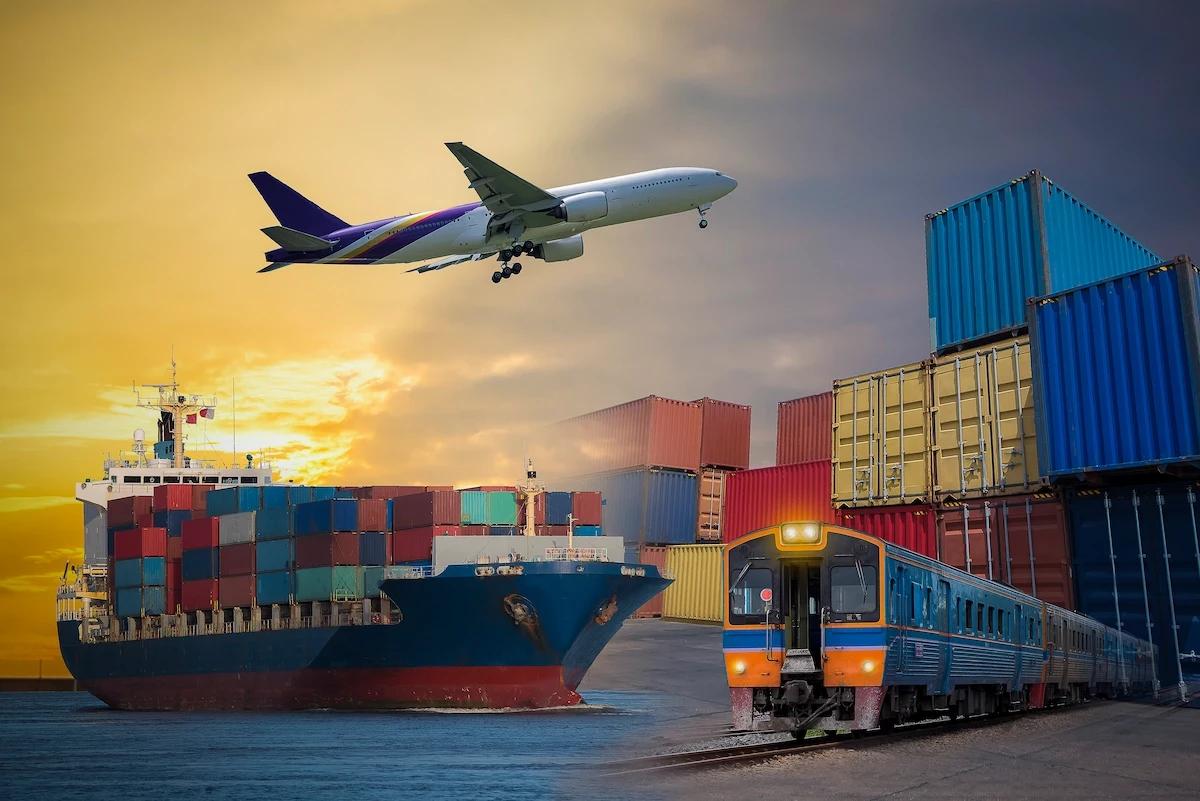
Although air seems speedy, sea freight remains the dominant method for containerized electronics. As a result, freight rates rest six-to-ten times lower than comparable air costs. Furthermore, weekly vessels sail from Shenzhen, Shanghai, and Ningbo to Rotterdam, keeping transit time predictable.

| Mode | Transit Time | Cost / 20GP* | Key Advantage |
|---|---|---|---|
| Ocean (Direct) | 28–32 days | USD 3,100 | Lowest cost |
| Rail + Truck | 18–20 days | USD 6,800 | Quicker than sea |
| Air (2 MT) | 3–5 days | USD 19,500 | Fastest |
*Indicative Q2 pricing; peak-season surcharges may apply.
How Does the 20GP FCL Booking Process Unfold Step by Step?
Clear milestones eliminate surprises; therefore, follow this timeline:
- Rate Inquiry (–21 days): Request a spot quote including bunker, PSS, and THC for the Shenzhen → Rotterdam service.
- Space Confirmation (–18 days): Lock the vessel schedule, cut-off date, and customs brokerage support.
- Empty Pick-Up (–14 days): Truck collects the 20GP so the factory can stuff cargo under QC supervision.
- VGM & SI (–12 days): Submit Verified Gross Mass plus Shipping Instructions. The carrier then issues a draft B/L for review.
- CY Cut-Off (–7 days): Deliver the sealed box to port. Storage charges start once free time expires.
- Sailing (0 day): Vessel departs. Simultaneously, activate cargo insurance with ICC(A) coverage.
- Arrival & Clearance (+30 days): Dutch broker files ENS, VAT, and duty. After release, drayage moves the 20GP to your warehouse.
- Empty Return (+35 days): Drop the container at the Rotterdam depot and avoid detention fees.
Missing any cut-off can roll your cargo to the next vessel, inflating overall delivery time.
Should You Consolidate Multiple Suppliers into One 20GP Container?
Many sourcing projects involve several factories. Consequently, shippers debate whether to consolidate. Merging shipments reduces per-unit freight cost, yet it complicates paperwork because every supplier’s invoice must match a single master B/L.
- One 20GP FCL averages USD 3,100 versus three LCL lots totaling USD 4,500.
- Extra domestic trucking to a stuffing depot may add USD 350.
- Use a consolidation hub near Ningbo and require suppliers to deliver Ex-Works by day –16.
Which Documents and Compliance Rules Matter at Chinese and Dutch Customs?
Paperwork accuracy accelerates clearance. Although requirements vary by HS code, you generally need these items when shipping electronics from China to Netherlands:
| Document | Issued By | Timing | Key Detail |
|---|---|---|---|
| Commercial Invoice | Seller | Pre-export | Incoterms & currency |
| Packing List | Seller | Pre-stuffing | Weights & dimensions |
| CE Declaration | Manufacturer | EU border | Safety compliance |
| Bill of Lading | Carrier | Post-sailing | Original or telex |
| Import Declaration | Dutch broker | On arrival | Filed via AGS |
Authorities may also ask for a REACH statement on battery-powered devices; filing it early prevents random inspections.
What Hidden Fees Should You Watch for in Rotterdam?
Even seasoned importers overlook local charges now and then, so monitor these common add-ons:
| Fee Type | Average Cost | Trigger | Mitigation |
|---|---|---|---|
| Demurrage | EUR 65 / day | Container stays beyond free time | Pre-book drayage |
| Detention | EUR 40 / day | Late empty return | Negotiate extra free days |
| ISPS | EUR 15 | Security fee | Unavoidable |
| Documentation | EUR 45 | Paper B/L release | Request telex release |
Add an 8 % buffer to your landed-cost model to absorb occasional Rotterdam port handling charges.
How to Track Your 20GP FCL in Real Time?
Buyers demand visibility; therefore, TJ China Freight integrates EDI updates straight into your ERP. Beyond that, smart locks can report GPS and temperature every thirty minutes, mitigating moisture risk during monsoon crossings.
Do Incoterms Impact Dutch VAT Calculations?
Absolutely. The VAT rate is fixed at 21 %, yet the taxable base changes. Under FOB, VAT applies to CIF plus duty plus Rotterdam handling, whereas DAP invoices include inland trucking and raise the calculation. Choose strategically to improve cash-flow.
Can You Reduce Transit Time with Multimodal Solutions?
Sea is cheapest, yet mixing modes trims lead time. Time-sensitive SKUs may ride a China–Europe rail freight block train to Duisburg, then truck into the Netherlands within forty-eight hours. Slower inventory sails, so shelf availability improves while transport cost stays reasonable.
- Pair one ocean 20GP with one rail 40HQ for balanced cash-flow.
- Fly a few pallets during Black Friday; replenish via FCL afterward.
What Are the Real Costs? – Three Case Studies You Can Benchmark
Case 1: Shenzhen → Rotterdam, Drone Components
- Cargo: 11 pallets, 18 m³, 6.2 MT, HS 852580
- Mode: 20GP FCL via ocean
- Cost: Freight USD 2,950 + THC USD 320 + Docs USD 45 + Insurance USD 60
- Transit Time: 29 days port-to-port
Case 2: Ningbo → Rotterdam, Smart TVs
- Cargo: 23 pallets, 31 m³, 10.5 MT
- Mode: 20GP FCL ocean plus domestic rail pre-carriage
- Total Cost: USD 3,380, inclusive of inland trucking
- Transit Time: 32 days door-to-door
Case 3: Xi’an → Amsterdam, Wearable Tech (Hybrid)
- Cargo: 14 pallets, 19 m³, 4 MT
- Mode: Rail to Duisburg, then FTL truck
- Total Cost: USD 6,700
- Transit Time: 19 days door-to-door
Use these benchmarks when you negotiate new contracts or evaluate landed-cost scenarios.
How Do Value-Added Services Secure Your High-Value Electronics?

Margins shrink when losses occur; therefore, smart shippers build layered protection. “All-risk” marine insurance covers shock, moisture, and theft, while GPS trackers broadcast route deviations instantly.
You can also lean on door to door delivery for one-stop accountability. Meanwhile, bonded warehousing in Rotterdam defers VAT until pick-and-pack occurs, and automated container tracking to Netherlands supplies milestone alerts without manual checks.
Conclusion
Ultimately, the 20GP FCL booking process for electronics from China to Netherlands hinges on proactive planning, precise documentation, and reliable partners. Shippers who align mode selection, customs readiness, and insurance consistently enjoy faster clearance and lower landed cost.
Ready to streamline your 20GP FCL booking process for electronics from China to Netherlands? Talk with TJ China Freight’s experts now, secure guaranteed space, and receive a tailored sailing schedule that protects your margins.