

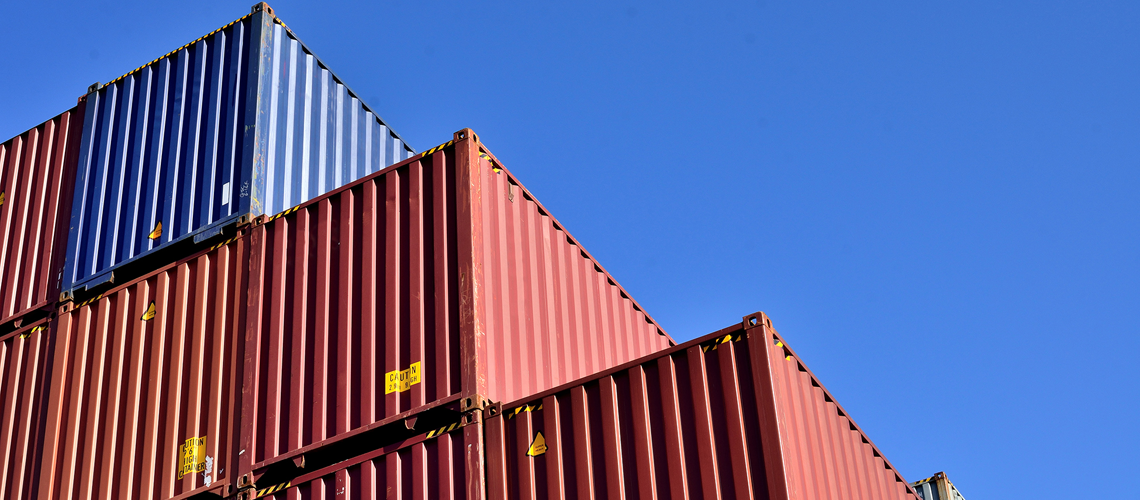
How to Track 20GP FCL Textile Shipments from China to Houston?
Managing 20GP FCL tracking for textiles from China to Houston is crucial for textile importers who demand transparency, speed, and reliability. However, with the right tracking solutions and logistics partners, you can monitor your shipments in real time, reduce risks, and ensure your textiles arrive on schedule. This guide explores the best practices, technologies, and strategies for tracking 20GP FCL shipments, helping importers optimize their supply chain from China to Houston.
What Is a 20GP FCL and Why Is It Used for Textile Shipments?

For medium-volume textile shipments, a 20GP FCL (20-foot General Purpose Full Container Load) is the industry standard. This container type offers secure, weatherproof transport, making it perfect for high-value, sensitive textiles. Additionally, using a full container load ensures your goods are shipped securely and are not mixed with other cargo, reducing the risk of damage or loss. For example, a 20GP FCL can accommodate up to 28-30 cubic meters or approximately 25,000 kg, which is ideal for fabric rolls, garments, and home textiles.
| Container Type | Volume (CBM) | Max Weight (kg) | Best For |
|---|---|---|---|
| 20GP FCL | 28-30 | 25,000 | Textiles, Medium Shipments |
| 40HQ FCL | 58-60 | 26,500 | Bulkier Shipments |
Moreover, the 20GP FCL is cost-effective for shipments that do not require a larger 40-foot container, ensuring you only pay for the space you need.
How Does 20GP FCL Tracking Work for Textiles from China to Houston?
Tracking 20GP FCL shipments involves using advanced logistics technology to monitor your container’s journey from China to Houston. Most major shipping lines and forwarders provide online tracking platforms where you can enter your container or bill of lading number to receive real-time updates. Additionally, some forwarders offer GPS-enabled tracking devices for high-value shipments, providing location data, temperature monitoring, and security alerts. As a result, you gain full visibility into your textiles’ transit status, estimated arrival, and any potential delays.
| Tracking Method | Features | Best For |
|---|---|---|
| Online Portal | Real-time status, ETA, milestones | Standard shipments |
| GPS Device | Location, security, temperature | High-value textiles |
| Email/SMS Alerts | Milestone notifications | Time-sensitive cargo |
Accordingly, leveraging these tracking tools helps you make informed decisions and respond quickly to supply chain disruptions.
What Are the Key Steps in Setting Up 20GP FCL Tracking for Textiles?
Setting up effective 20GP FCL tracking for textiles from China to Houston requires a few essential steps. First, choose a reliable freight forwarder with advanced tracking capabilities, such as sea freight specialists. Next, provide accurate shipment details, including container number, bill of lading, and cargo description. Afterward, register for the forwarder’s online tracking portal or request GPS tracking for high-value shipments. Additionally, set up automated alerts to receive updates on key milestones, such as vessel departure, port arrival, and customs clearance.
| Step | Description |
|---|---|
| 1. Choose Forwarder | Partner with a tracking-enabled provider |
| 2. Register Shipment | Provide container and cargo details |
| 3. Activate Tracking | Access online portal or GPS device |
| 4. Set Alerts | Receive real-time notifications |
Although the process may seem technical, most forwarders offer user-friendly platforms and customer support to assist you.
How Much Does It Cost to Ship and Track a 20GP FCL of Textiles from China to Houston?

The cost of shipping and tracking a 20GP FCL of textiles from China to Houston depends on several factors, including the origin port, shipping line, seasonality, and additional services such as cargo insurance. On average, ocean freight rates for a 20GP FCL range from $2,900 to $4,800, depending on market conditions and cargo requirements. Additionally, tracking services may be included or offered as an add-on, with GPS tracking devices costing $60-$180 per shipment. To illustrate, here’s a sample cost breakdown:
| Cost Component | Estimated Amount (USD) | Description |
|---|---|---|
| Ocean Freight | $3,400 | Shipping from China to Houston |
| Destination Charges | $800 | Unloading, terminal fees |
| Customs Clearance | $250 | Import processing |
| Tracking Device | $120 | Optional GPS tracking |
Accordingly, always request a detailed quote from your forwarder to avoid unexpected expenses and ensure full visibility.
What Documents Are Required for Shipping Textiles to Houston?
Proper documentation is essential for smooth customs clearance and delivery. The main documents required include the commercial invoice, packing list, bill of lading, and, if applicable, a certificate of origin. Additionally, U.S. Customs may request product-specific certifications for certain textiles. Without a doubt, incomplete or inaccurate paperwork can result in delays or fines. Therefore, it’s advisable to work with a forwarder offering customs brokerage services to ensure compliance.
| Document | Purpose |
|---|---|
| Commercial Invoice | Details value and description of goods |
| Packing List | Lists contents and packaging details |
| Bill of Lading | Proof of shipment and ownership |
| Certificate of Origin | Confirms manufacturing country |
To summarize, preparing all documents in advance will help you avoid unnecessary delays at the port of Houston.
How Can Value-Added Services Enhance 20GP FCL Tracking for Textiles?

Value-added services can significantly improve your tracking and shipping experience. For example, warehousing provides secure storage before or after ocean transit, while door to door delivery ensures your textiles reach their final destination with minimal handling. Additionally, express service can expedite urgent shipments, and cargo insurance protects against loss or damage. To illustrate, here’s a comparison of key services:
| Service | Benefit | When to Use |
|---|---|---|
| Warehousing | Storage, inventory management | Buffer stock, delayed delivery |
| Door-to-Door | Convenience, reduced handling | Direct delivery to site |
| Express Service | Faster clearance and delivery | Urgent textiles |
Accordingly, combining these services can help you streamline your supply chain and protect your investment.
Case Study 1: Real-Time Tracking for Textiles from Shanghai to Houston
In March 2024, a Houston-based textile importer shipped 18,000 kg of fabric rolls in a 20GP FCL from Shanghai to Houston. The shipment was equipped with a GPS tracking device, allowing the client to monitor the container’s location and security throughout the journey. The total shipping cost was $4,800, including tracking and insurance. Transit time was 26 days, and customs clearance took 2 days. The shipment arrived on schedule, and the client was able to update their customers in real time.
Case Study 2: Door-to-Door Delivery and Tracking for Textiles from Ningbo to Dallas
Another client, a textile distributor, shipped 20,000 kg of finished textiles from Ningbo to Dallas in a 20GP FCL. The forwarder provided door-to-door service and online tracking, allowing the client to coordinate warehouse staff and plan retail launches. The total logistics cost was $5,900, including delivery and tracking. The shipment was delivered directly to the client’s facility, minimizing handling and risk of damage.
How to Optimize Your 20GP FCL Tracking for Textiles from China to Houston?
To optimize your 20GP FCL tracking for textiles from China to Houston, start by booking early and confirming all details with your forwarder. Additionally, maintain open communication with your customs broker and consignee. Moreover, use tracking tools and value-added services to anticipate and resolve issues before they escalate. On the other hand, always review your shipping contract for transit times and potential penalties. Without a doubt, a proactive approach is the best way to ensure timely and safe delivery.
- Book shipments early
- Prepare documents in advance
- Use tracking and warehousing
- Communicate with all partners
As a result, you can ensure your textiles arrive on time and in perfect condition.
What Are the Benefits of Working with a Professional Freight Forwarder?
Partnering with a professional freight forwarder like TJ China Freight offers several advantages for 20GP FCL tracking. First, experienced forwarders provide access to advanced tracking platforms and real-time updates. Second, they offer a full range of services, including customs brokerage, warehousing, and door-to-door delivery. Additionally, forwarders can negotiate better rates and help you avoid unnecessary costs. To illustrate, here’s a comparison of self-managed shipping versus using a forwarder:
| Aspect | Self-Managed | With Forwarder |
|---|---|---|
| Tracking Access | Limited | Comprehensive |
| Risk of Delay | Higher | Lower |
| Cost Control | Variable | Predictable |
Accordingly, working with a trusted partner is the most effective way to ensure a smooth shipping experience.
Conclusion
Understanding 20GP FCL tracking for textiles from China to Houston is essential for importers seeking efficiency and reliability. By preparing documents in advance, coordinating with logistics partners, and leveraging value-added services, you can ensure your textiles arrive safely and on time. Whether you are a first-time importer or an experienced buyer, following these best practices will help you navigate the complexities of international shipping with confidence.
Take the next step toward a seamless shipping experience. Contact TJ China Freight today to get the latest 20GP FCL tracking for textiles from China to Houston, request a personalized quote, or learn more about our expert sea freight solutions.