

How to Check 20GP FCL Sailing Schedule for Solar Panels from China to Savannah?
Shipping solar panels in a 20GP FCL from China to Savannah can be complex, especially with changing schedules and customs requirements. However, with the right guidance, you can easily find the best sailing schedule, optimize your costs, and ensure timely delivery for your solar panel shipments.
What Is a 20GP FCL and Why Is It Ideal for Shipping Solar Panels?
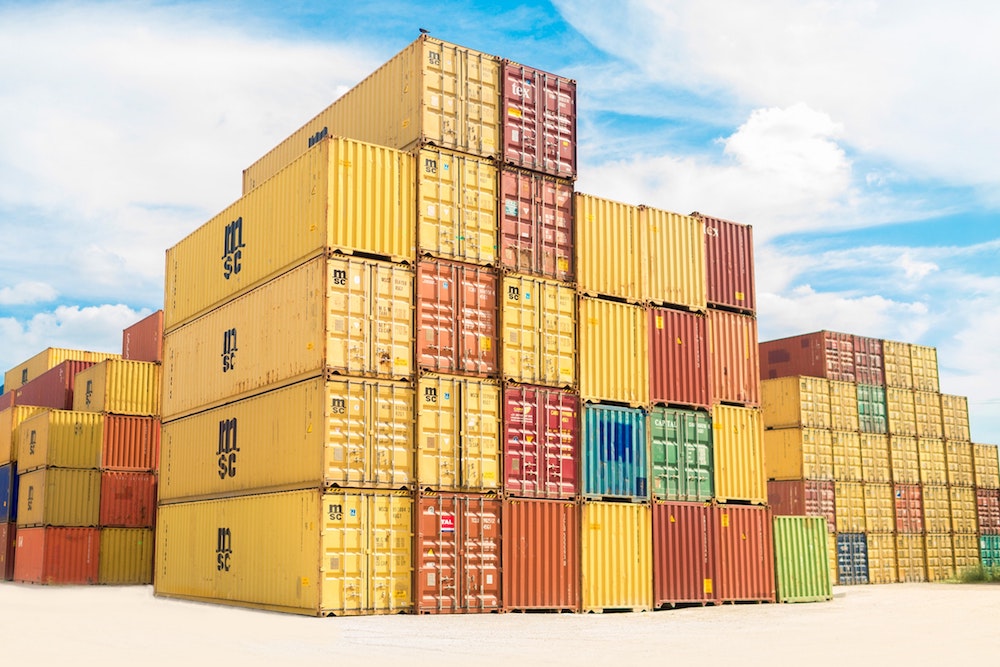
When transporting solar panels internationally, a 20GP FCL (20-foot General Purpose Full Container Load) is often the preferred choice. This container size offers a secure, weatherproof environment, which is crucial for delicate cargo like solar panels. Additionally, using a full container load means your goods are not mixed with others, reducing the risk of damage and delays. For example, a 20GP FCL typically holds up to 28-30 cubic meters or about 25,000 kg, making it suitable for medium-sized solar panel shipments.

| Container Type | Volume (CBM) | Max Weight (kg) | Best For |
|---|---|---|---|
| 20GP FCL | 28-30 | 25,000 | Solar Panels, Electronics |
| 40GP FCL | 58-60 | 26,500 | Bulkier Shipments |
Moreover, the 20GP FCL is cost-effective for shipments that do not require a larger 40-foot container, ensuring you only pay for the space you need.
How to Find the Latest 20GP FCL Sailing Schedule from China to Savannah?
Finding the most up-to-date sea freight sailing schedule is essential for planning your shipment. Shipping lines such as Maersk, COSCO, and MSC regularly update their schedules, and most offer online tools for real-time tracking. Additionally, freight forwarders like TJ China Freight provide consolidated sailing schedules, making it easier to compare options. For example, you can filter by departure port (Shanghai, Shenzhen, Ningbo), transit time, and frequency to select the best route for your solar panels.
| Departure Port | Frequency | Transit Time (Days) |
|---|---|---|
| Shanghai | Weekly | 28-32 |
| Shenzhen | Weekly | 30-34 |
| Ningbo | Bi-weekly | 29-33 |
Accordingly, always confirm the schedule at least two weeks before your planned shipment, as vessel delays or port congestion can affect departure and arrival times.
Why Is Savannah a Strategic Port for Solar Panel Imports?
Savannah, Georgia, is one of the fastest-growing container ports in North America. Its deepwater terminals and efficient rail and road connections make it a preferred entry point for solar panel imports. In addition, Savannah’s customs clearance process is streamlined, which helps reduce dwell time and ensures your cargo moves quickly through the supply chain. As a result, importers benefit from lower inland transportation costs and faster delivery to destinations across the southeastern United States.
What Are the Key Steps in Booking a 20GP FCL for Solar Panels?
Booking a 20GP FCL for solar panels involves several critical steps. First, select a reliable freight forwarder with experience in import service and solar panel logistics. Next, provide accurate cargo details, including dimensions, weight, and packaging type. Afterward, your forwarder will recommend the best sailing schedule and handle the booking with the shipping line. Additionally, ensure all required documents—such as the commercial invoice, packing list, and bill of lading—are prepared in advance to avoid delays.
| Step | Description |
|---|---|
| 1. Choose Forwarder | Partner with an expert in solar panel shipping |
| 2. Confirm Cargo Details | Provide size, weight, and packaging info |
| 3. Select Sailing Schedule | Pick the optimal route and departure date |
| 4. Prepare Documents | Ensure all paperwork is complete |
Although the process may seem daunting, working with a professional forwarder simplifies each step and minimizes the risk of costly errors.
How Much Does It Cost to Ship a 20GP FCL of Solar Panels from China to Savannah?
Shipping costs for a 20GP FCL from China to Savannah vary based on several factors, including the origin port, shipping line, seasonality, and additional services such as cargo insurance. On average, ocean freight rates for a 20GP FCL range from $2,500 to $4,500, depending on market conditions. Moreover, you should budget for destination charges, customs clearance, and inland transportation. To illustrate, here’s a sample cost breakdown:
| Cost Component | Estimated Amount (USD) |
|---|---|
| Ocean Freight | $2,800 |
| Destination Charges | $600 |
| Customs Clearance | $200 |
| Inland Delivery | $400 |
Accordingly, always request a detailed quote from your forwarder to avoid unexpected expenses. Additionally, consider the value of your cargo and whether insurance is necessary for added protection.
What Documents Are Required for Customs Clearance in Savannah?
Proper documentation is essential for smooth customs clearance. The main documents required include the commercial invoice, packing list, bill of lading, and, if applicable, a certificate of origin. Additionally, the U.S. Customs and Border Protection (CBP) may request product-specific certifications for solar panels. Without a doubt, incomplete or inaccurate paperwork can result in delays or fines. Therefore, it’s advisable to work with a forwarder offering customs brokerage services to ensure compliance.

| Document | Purpose |
|---|---|
| Commercial Invoice | Details value and description of goods |
| Packing List | Lists contents and packaging details |
| Bill of Lading | Proof of shipment and ownership |
| Certificate of Origin | Confirms manufacturing country |
To summarize, preparing all documents in advance will help you avoid unnecessary delays at the port of Savannah.
How Long Does It Take to Ship Solar Panels from China to Savannah?
Transit time for a 20GP FCL from China to Savannah typically ranges from 28 to 34 days, depending on the departure port and shipping line. For example, direct sailings from Shanghai may take about 28 days, while shipments from Shenzhen or Ningbo could take slightly longer due to transshipment. Additionally, customs clearance and inland delivery may add 2-5 days to the total timeline. As a result, it’s wise to plan for a total lead time of 5-6 weeks from booking to final delivery.
| Route | Transit Time (Days) | Customs & Delivery (Days) | Total (Days) |
|---|---|---|---|
| Shanghai – Savannah | 28 | 4 | 32 |
| Shenzhen – Savannah | 30 | 5 | 35 |
| Ningbo – Savannah | 29 | 4 | 33 |
Moreover, peak shipping seasons or port congestion can extend transit times, so always check the latest sailing schedule before finalizing your shipment.
What Are the Main Challenges When Shipping Solar Panels to Savannah?
Shipping solar panels from China to Savannah presents several challenges. First, solar panels are fragile and require careful handling and packaging. Second, customs regulations for solar products can be complex, especially with changing tariffs and import duties. Additionally, vessel space can be limited during peak seasons, making early booking essential. On the other hand, working with a forwarder experienced in door to door shipping can help you navigate these challenges and ensure a smooth delivery process.
- Fragile cargo requires specialized packaging
- Customs compliance is critical for solar products
- Peak season congestion may cause delays
- Accurate documentation prevents fines and holds
Accordingly, proactive planning and expert support are key to overcoming these obstacles.
Can You Track Your 20GP FCL Shipment in Real Time?
Yes, most major shipping lines and freight forwarders offer real-time tracking for 20GP FCL shipments. After booking, you’ll receive a tracking number or bill of lading reference, which you can use to monitor your container’s status online. Additionally, some forwarders provide automated updates via email or SMS, keeping you informed of key milestones such as vessel departure, arrival, and customs clearance. As a result, you can plan your supply chain activities with greater confidence and transparency.
Case Study 1: Shipping Solar Panels from Shanghai to Savannah
In March 2024, a renewable energy company shipped 18,000 kg of solar panels in a 20GP FCL from Shanghai to Savannah. The cargo measured 28 CBM and required specialized packaging. The company partnered with TJ China Freight for sea freight and customs brokerage. The total shipping cost was $3,200, including insurance. Transit time was 29 days, and customs clearance took 3 days. The panels arrived safely and on schedule, allowing the company to meet its project deadline.
Case Study 2: Solar Panel Delivery from Ningbo to Savannah with Door-to-Door Service
Another client, a solar distributor, needed to ship 22,000 kg of solar panels from Ningbo to Savannah. The shipment was booked as a 20GP FCL with full door to door service. The total cost was $3,800, covering ocean freight, destination charges, and inland delivery to Atlanta. The transit time was 31 days, and the panels were delivered directly to the client’s warehouse, minimizing handling and risk of damage.
What Are the Advantages of Using a Freight Forwarder for Solar Panel Shipments?

Partnering with a professional freight forwarder offers several advantages. First, they have access to the latest sailing schedules and can secure space even during peak seasons. Second, they handle all documentation and customs requirements, reducing your administrative burden. Additionally, forwarders can arrange value-added services such as warehousing and cargo insurance, ensuring your solar panels are protected throughout the journey. To illustrate, here’s a comparison of self-managed shipping versus using a forwarder:
| Aspect | Self-Managed | With Forwarder |
|---|---|---|
| Schedule Access | Limited | Comprehensive |
| Customs Handling | Complex | Simplified |
| Risk Management | Higher | Lower |
Accordingly, using a forwarder like TJ China Freight streamlines the process and helps you avoid costly mistakes.
How to Optimize Your Shipping Schedule and Reduce Delays?
To optimize your 20GP FCL sailing schedule for solar panels, start by booking early—at least 3-4 weeks in advance. Additionally, choose direct sailings whenever possible to minimize transshipment risks. Moreover, ensure all documents are accurate and complete before departure. On the other hand, consider flexible delivery windows to accommodate potential delays. Without a doubt, proactive communication with your forwarder is essential for timely updates and quick problem resolution.
- Book early to secure space
- Choose direct routes for faster transit
- Double-check all documentation
- Stay in touch with your forwarder
As a result, you can significantly reduce the risk of delays and ensure your solar panels arrive on time.
Conclusion
Shipping solar panels in a 20GP FCL from China to Savannah requires careful planning, up-to-date sailing schedules, and expert support. By understanding the process, preparing accurate documents, and working with a reliable freight forwarder, you can optimize costs, minimize delays, and ensure your solar panels reach their destination safely and efficiently. Whether you’re a first-time importer or an experienced buyer, following these best practices will help you navigate the complexities of international shipping with confidence.
Take the next step toward a seamless shipping experience. Contact TJ China Freight today to get the latest 20GP FCL sailing schedule for solar panels from China to Savannah, request a personalized quote, or learn more about our expert sea freight solutions.