

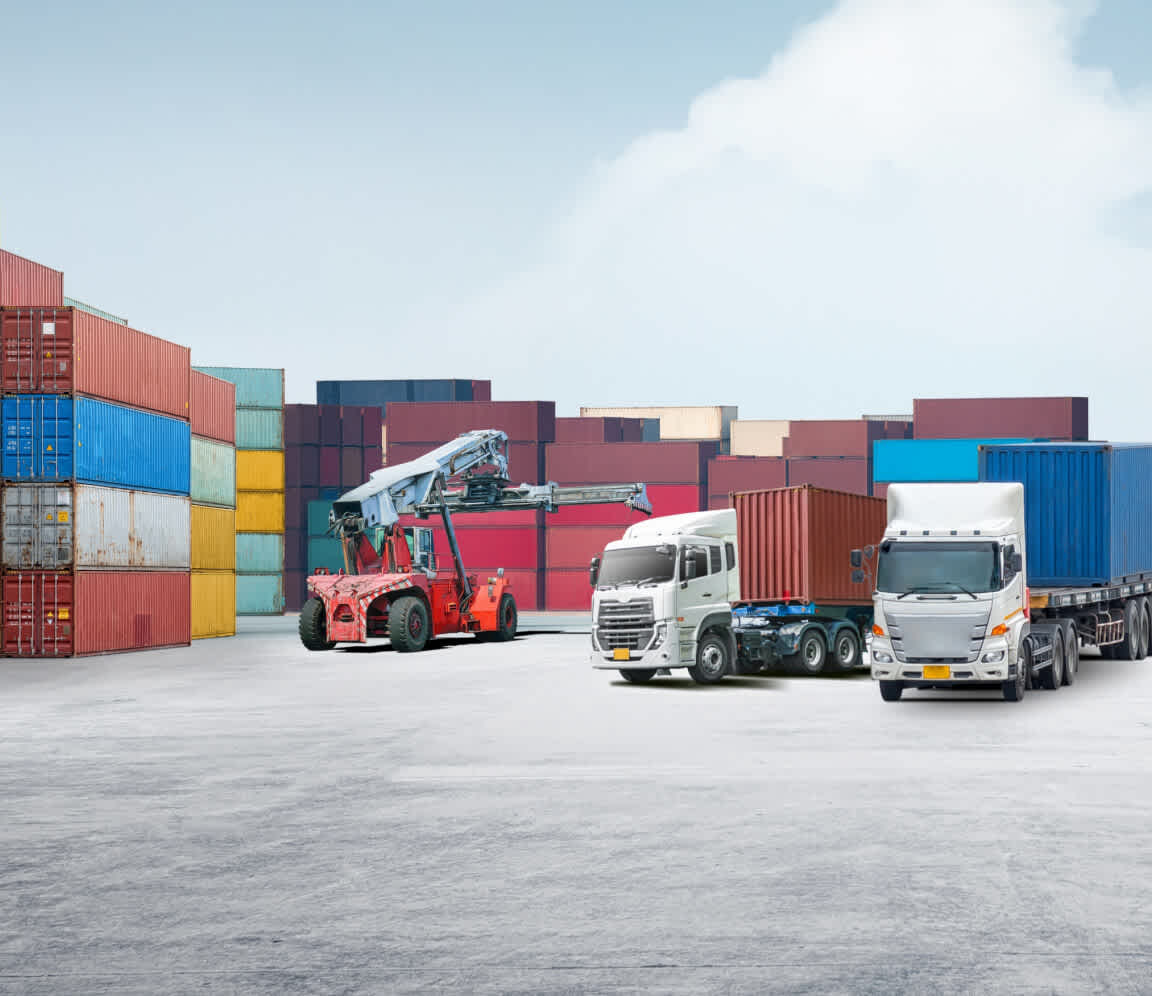
How Does China FCL Cargo Inspection to Florida Work?
China FCL cargo inspection to Florida is a critical step for importers seeking smooth customs clearance and risk-free delivery. However, with evolving regulations and inspection protocols, many shippers face delays, extra costs, or compliance issues. This guide explains the entire process, highlights key requirements, and provides actionable solutions for successful China FCL cargo inspection to Florida.
What Is FCL Cargo Inspection and Why Is It Required for Shipments to Florida?
FCL (Full Container Load) cargo inspection involves the examination of entire containers before or after arrival in Florida. Inspections may be required by U.S. Customs and Border Protection (CBP), FDA, or other agencies to ensure compliance, safety, and security. Accordingly, TJ China Freight offers expert support for China FCL cargo inspection to Florida, helping importers avoid unnecessary delays and penalties.
How Does the China FCL Cargo Inspection Process Work?

Although the process may seem complex, it follows a clear sequence. First, your supplier prepares the cargo and arranges for container loading in China. Next, the freight forwarder books vessel space and manages export customs. Afterward, the container is shipped to Florida, where it may be selected for inspection by CBP or other authorities. Finally, after inspection and clearance, the cargo is released for final delivery.
What Types of Inspections Are Common for FCL Cargo to Florida?
Indeed, several types of inspections may apply to China FCL cargo arriving in Florida:
- Document review and manifest verification
- X-ray or non-intrusive inspection (NII)
- Physical examination of cargo
- FDA, USDA, or EPA compliance checks for regulated goods
- Random or targeted security inspections
Moreover, working with a professional sea freight provider ensures you are prepared for all inspection scenarios.
How Do Inspection Costs and Timelines Compare?
Inspection costs and timelines depend on the type of inspection, cargo nature, and port congestion. The following table provides a general comparison for China FCL cargo inspection to Florida:
| Inspection Type | Typical Cost (USD) | Average Delay (Days) | Notes |
|---|---|---|---|
| Document Review | $0 – $100 | 0-1 | Standard for all shipments |
| X-ray/NII | $150 – $350 | 1-2 | Random or targeted |
| Physical Exam | $250 – $600 | 2-5 | For suspicious or regulated cargo |
| FDA/USDA/EPA | $200 – $500 | 2-7 | For food, chemicals, or medical goods |
Additionally, costs may fluctuate due to port congestion, cargo type, or regulatory changes. For the most accurate estimate, consult an import service specialist.
What Documents Are Required for FCL Cargo Inspection in Florida?

Proper documentation is essential for smooth inspection and customs clearance. The following table summarizes the main documents needed for China FCL cargo inspection to Florida:
| Document | Purpose | Issued By |
|---|---|---|
| Bill of Lading | Proof of shipment and ownership | Carrier |
| Commercial Invoice | Details value and description of goods | Supplier |
| Packing List | Specifies cargo contents | Supplier |
| Arrival Notice | Notifies consignee of arrival | Carrier |
| Import Permits | Required for regulated goods | Regulatory Agencies |
Moreover, working with a reliable customs brokerage partner ensures all paperwork is accurate and compliant with U.S. regulations.
How Can You Prepare for FCL Cargo Inspection to Florida?

Preparation is key to minimizing inspection delays and costs. For example, ensure all documents are complete and accurate, and pre-alert your forwarder about any regulated or sensitive cargo. Additionally, using professional warehousing services can help with pre-inspection storage and cargo preparation. Proactive communication with your logistics provider is essential for a smooth process.
What Are the Main Risks and How Can You Mitigate Them?
Although FCL cargo inspection is routine, several risks may arise:
- Delays due to incomplete or incorrect documentation
- Additional costs for re-inspection or storage
- Damage during physical examination
- Regulatory non-compliance penalties
However, these risks can be mitigated by working with a proactive freight forwarder, maintaining clear communication, and staying updated on regulatory changes. For example, cargo insurance protects your investment against unforeseen events.
How Does Customs Clearance Work After Inspection in Florida?
Customs clearance after inspection involves several steps. First, CBP or other agencies review the inspection results and release the cargo if compliant. Next, duties and taxes are assessed and paid. Once cleared, the container is released for final delivery. Partnering with an experienced door to door logistics provider ensures a seamless process from port to warehouse or distribution center.
What Are Some Real-World Case Studies of China FCL Cargo Inspection to Florida?
Case Study 1: Electronics from Shenzhen to Miami
A U.S. importer shipped a 40’ FCL of electronics from Shenzhen to Miami. The cargo was selected for X-ray inspection, resulting in a $250 fee and a 2-day delay. However, all documents were in order, and the shipment was released without further issues. Total shipping cost was $7,800, and delivery was completed in 29 days.
Case Study 2: Medical Devices from Shanghai to Jacksonville
A medical supplier imported a 20’ FCL of devices from Shanghai. The cargo underwent FDA inspection, incurring a $400 fee and a 4-day delay. By preparing all compliance documents in advance, the importer avoided penalties and received the goods in 32 days, with a total shipping cost of $6,200.
Case Study 3: Furniture from Ningbo to Port Everglades
A retailer shipped a 40’ FCL of furniture from Ningbo. The container was randomly selected for physical examination, costing $500 and causing a 3-day delay. The forwarder managed all paperwork, and the shipment arrived in 31 days, with a total cost of $8,100.
How Do You Choose the Right Freight Forwarder for FCL Cargo Inspection?
Choosing the right partner is crucial for successful FCL cargo inspection. Look for a forwarder with:
- Extensive experience in China-Florida trade lanes
- Expertise in customs and regulatory compliance
- Comprehensive service offerings, including inspection support
- Strong relationships with carriers and local agents
Additionally, check for positive customer reviews and a proven track record of on-time, compliant deliveries.
What Are the Latest Trends in FCL Cargo Inspection for Florida?
Logistics trends are constantly evolving. In 2025, digital documentation, real-time tracking, and automated inspection systems are becoming standard. For example, many shippers are adopting electronic bills of lading and advanced cargo monitoring. Moreover, importers are seeking eco-friendly packaging and compliance with new security protocols to align with U.S. customs trends.
How Can You Optimize Your FCL Cargo Inspection and Shipping Strategy?
To summarize, optimizing your FCL cargo inspection strategy involves:
- Preparing complete and accurate documentation
- Booking shipments early to avoid congestion
- Leveraging technology for tracking and compliance
- Staying informed about regulatory changes and inspection trends
Without a doubt, partnering with a reliable freight forwarder like TJ China Freight is the best way to streamline your supply chain and reduce risks.
Conclusion
In conclusion, China FCL cargo inspection to Florida is essential for compliant, efficient, and risk-free shipping. By understanding the process, preparing the right documents, and working with an experienced logistics partner, you can overcome common challenges and ensure your cargo arrives safely and on time. As inspection protocols evolve, staying proactive and informed will help you maintain a competitive edge in your supply chain.
Ready to streamline your China FCL cargo inspection to Florida? Contact TJ China Freight today for a customized quote and expert guidance. Our team will help you optimize costs, ensure compliance, and deliver your cargo safely and on time. Let us handle the complexities so you can focus on your business growth.
