

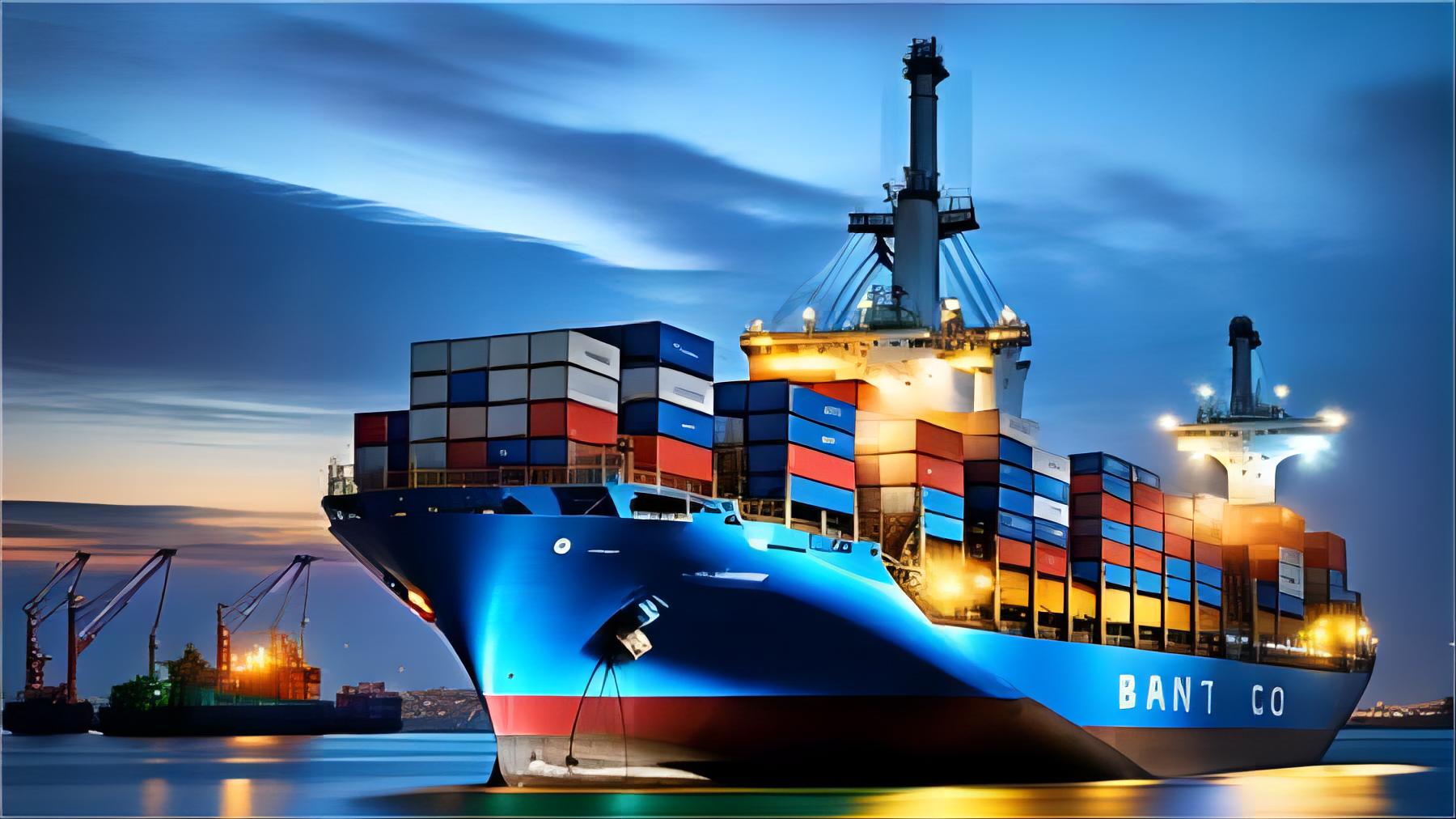
40HQ FCL Best Route for Solar Panels: China to Miami
Shipping solar panels from China to Miami in a 40HQ FCL container demands strategic planning. Identifying the 40HQ FCL best route for solar panels from China to Miami is crucial for cost-efficiency and timely delivery. TJ China Freight specializes in optimizing such complex logistics.
✦
Why 40HQ FCL is Best for Solar Panels to Miami
Choosing a 40HQ FCL (Full Container Load) is often the most economical and secure option for large volumes of solar panels. This method guarantees dedicated container space, reducing handling risks and potential damage. Furthermore, it streamlines the shipping process, making it ideal for substantial commercial imports.
A 40HQ container offers significant capacity, typically holding between 60-70 CBM of cargo. For solar panel imports, this means maximizing economies of scale. Consequently, you can transport a larger quantity per shipment, thereby lowering the per-unit shipping cost.
Navigating the Optimal Route: China to Miami
The optimal route for solar panels from China to Miami typically involves direct ocean freight services. Key loading ports in China include Shanghai, Ningbo, and Shenzhen. These ports offer extensive connections to major East Coast USA ports.
Upon arrival, the Port of Miami serves as the primary discharge point. This direct approach minimizes transshipment delays and additional handling. Therefore, selecting a carrier with direct services to Miami is paramount for efficiency.
| Origin Port (China) | Destination Port (USA) | Est. Transit Time | Key Benefits |
|---|---|---|---|
| Shanghai, Ningbo, Shenzhen | Miami, FL | 30-35 days | Direct services, major trade lanes |
| Xiamen, Qingdao | Miami, FL | 32-38 days | Alternative options, less congestion |
Understanding Shipping Costs and Transit Times
Ocean freight rates for a 40HQ FCL from China to Miami fluctuate based on several factors. These include peak seasons, fuel surcharges, and carrier capacity. Moreover, port congestion and global logistics trends significantly influence overall shipping costs and delivery schedules.
Typically, transit time for the 40HQ FCL best route for solar panels from China to Miami ranges from 30 to 35 days. However, customs clearance and inland transportation can add several more days to the total door-to-door timeline. Understanding these variables is key to effective budget planning.
| Origin | Destination | Ocean Freight Range (USD) | Total Landed Cost Est. (USD) | Est. Transit Time (Days) |
|---|---|---|---|---|
| China (East Coast Ports) | Miami, FL | $4,500 – $6,000 | $6,500 – $8,500 | 30-40 |

Ocean Freight vs. Other Shipping Options
While air freight offers speed, its cost for a 40HQ FCL shipment of solar panels is prohibitive. Conversely, LCL (Less than Container Load) might seem cheaper per CBM for smaller volumes. However, for full container loads, LCL incurs more handling and potential delays.
For large volumes of solar panels, sea freight remains the most cost-effective solution. Its balance of capacity, security, and reasonable transit time makes it ideal for this cargo type. Therefore, understanding these trade-offs is essential for your logistics strategy.
| Shipping Method | Cost Range (40HQ equivalent) | Transit Time | Best For | Limitations |
|---|---|---|---|---|
| Ocean FCL | $4,500 – $6,000 | 30-35 days | Large volumes, cost-efficiency | Slower than air |
| Ocean LCL | $5,500 – $7,500 | 35-45 days | Small volumes (under 15 CBM) | More handling, potential delays |
| Air Freight | $20,000 – $35,000 | 5-7 days | Urgent, high-value, small cargo | Extremely high cost |
Streamlining Customs for Solar Panel Imports
Importing solar panels into the USA requires meticulous attention to customs regulations and documentation. Proper classification under the Harmonized Tariff Schedule (HTS) is critical to determine applicable duties and taxes. Furthermore, compliance with import regulations ensures smooth clearance.
Working with experienced customs brokerage services can significantly simplify this process. They can assist with import permits, tariffs, and ensuring all paperwork is accurate. This proactive approach helps avoid costly delays and penalties.
Partnering for a Smooth Supply Chain
An efficient supply chain for solar panels from China to Miami involves more than just selecting a shipping route. It requires careful planning, from factory pickup to final delivery. Considering a door-to-door service can simplify coordination significantly.
Moreover, partnering with a freight forwarder experienced in shipping to North America ensures a streamlined process. They can manage everything from cargo handling to delivery schedules. This holistic approach optimizes your logistics and reduces potential risks.

Case Study: Miami Solar Panel Import
Case Study 1: Shanghai to Miami Solar Panels
This case illustrates a successful 40HQ FCL shipment of solar panels from China to Miami. Careful planning and coordination were essential for its timely execution. The client prioritized a balance of cost and reasonable transit time for their bulk order.
| Detail | Description |
|---|---|
| Route | Shanghai, China -> Miami, USA |
| Cargo | 40HQ FCL Solar Panels (68 CBM, 15,000 kg) |
| Shipping Method | Ocean Freight (Direct Service) |
| Ocean Freight | $4,800 |
| Origin Charges | $450 |
| Destination Charges | $550 |
| Customs & Duties (Est.) | $1,200 |
| Total Landed Cost | $7,000 |
| Total Door-to-Door | 40 days (incl. 32 days sea transit) |
| Key Insight | Proactive documentation and carrier selection ensured smooth delivery. |
Conclusion
Securing the 40HQ FCL best route for solar panels from China to Miami involves understanding key ports, transit times, and cost factors. While ocean freight offers the best balance of cost and capacity, meticulous planning and expert support are vital. Partnering with a reliable freight forwarder ensures a smooth and efficient supply chain for your valuable solar panel cargo.