

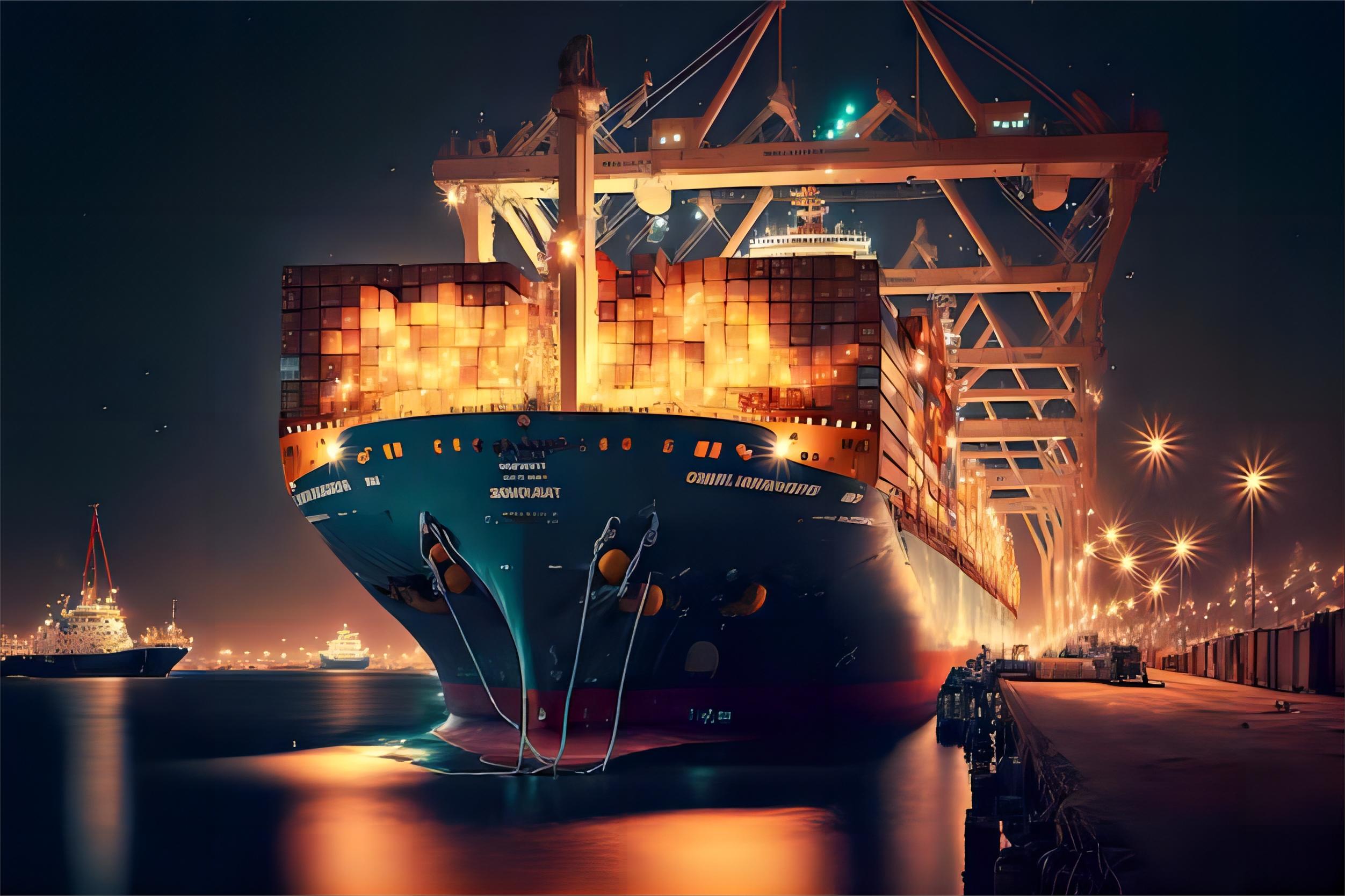
40GP FCL Freight Rate for Auto Parts from China to Houston
Navigating the complexities of international shipping for automotive components can be challenging, especially when seeking competitive 40GP FCL freight rates for auto parts from China to Houston. This guide provides essential insights into current market conditions, helping you understand the factors influencing costs and transit times. We aim to equip you with the knowledge to make informed decisions for your auto parts supply chain.

What Influences 40GP FCL Freight Rates for Auto Parts?
Several critical factors determine the sea freight rates for a 40GP FCL shipment of auto parts from China to Houston. Understanding these elements is key to budgeting and planning your imports effectively. These factors collectively shape the final shipping costs.
Firstly, market demand and supply play a significant role. During peak seasons, such as before major holidays or during Q4, rates typically increase due to higher cargo volumes and limited vessel space. Moreover, fuel prices directly impact carrier surcharges, leading to fluctuating freight rates.
Additionally, the specific port of loading in China and the port of discharge in Houston can affect costs. Some ports might have higher terminal handling charges or specific congestion surcharges. The chosen shipping line’s capacity and routing also influence the overall rate.
Typical Transit Times for Auto Parts from China to Houston
When importing auto parts from China to Houston, transit time is a crucial consideration for inventory management and delivery schedules. A direct FCL service generally offers the fastest transit, avoiding transshipment delays. However, indirect routes can sometimes be more cost-effective.
Typically, the sea transit time for a 40GP FCL from major Chinese ports like Shanghai, Ningbo, or Shenzhen to Houston ranges from 28 to 35 days. This duration can vary based on the specific carrier, vessel speed, and weather conditions. Furthermore, port congestion at either end can add several days to the overall journey.
| Port of Loading (China) | Port of Discharge (USA) | Estimated Sea Transit (Days) | Key Considerations |
|---|---|---|---|
| Shanghai | Houston | 30-35 | Major hub, potential congestion |
| Ningbo | Houston | 28-33 | Efficient, growing capacity |
| Shenzhen | Houston | 28-32 | Southern China manufacturing gateway |
| Qingdao | Houston | 32-38 | Northern China, longer route |

How Does FCL Compare to Other Shipping Options for Auto Parts?
Choosing the right shipping method is vital for balancing cost, speed, and cargo security. For auto parts, FCL sea freight is often the most economical for larger volumes. However, other options might be suitable depending on your specific needs.
For smaller shipments, LCL (Less than Container Load) allows you to pay only for the space your cargo occupies. Air freight, while significantly more expensive, offers unparalleled speed for urgent or high-value auto parts. Air freight can be critical for time-sensitive components.
| Shipping Method | Cost Range (40GP equivalent) | Transit Time | Best For | Limitations |
|---|---|---|---|---|
| FCL Sea Freight | $4,000 – $6,000 | 28-35 days | Large volumes, cost-efficiency | Slowest transit, port congestion |
| LCL Sea Freight | $80 – $150 per CBM | 35-45 days | Smaller volumes, cost-sharing | Longer transit, more handling |
| Air Freight | $15,000 – $25,000 | 5-7 days | Urgent, high-value parts | Very high cost, volume/weight limits |
Optimizing Your Auto Parts Supply Chain to Houston
Effective supply chain management is crucial for minimizing costs and ensuring timely delivery of auto parts. Partnering with a knowledgeable freight forwarder can streamline your import process. They can help navigate complex customs regulations and optimize routing.
Consider consolidating multiple small orders into a single 40GP FCL shipment to maximize container utilization. This strategy significantly reduces per-unit shipping costs compared to multiple LCL shipments. Moreover, exploring door-to-door services can simplify logistics and provide a single point of contact.
Furthermore, understanding the complete landed cost, including origin charges, destination charges, and customs brokerage fees, prevents unexpected expenses. A reliable freight partner provides transparent pricing and comprehensive service.
Case Study 1: Large Volume Automotive Components
A US-based auto parts distributor needed to import a large quantity of brake pads and rotors.
| Detail | Description |
|---|---|
| Route | Shanghai, China -> Houston, USA |
| Cargo | Brake pads, rotors, 55 CBM, 22,000 kg |
| Container | 40GP FCL |
| Shipping Details | Major carrier, direct route |
| Ocean Freight (Est.) | $4,800 |
| Origin Charges (Est.) | $350 |
| Destination Charges (Est.) | $450 |
| Customs & Duties (Est.) | $800 (DDP terms) |
| Total Landed Cost (Est.) | $6,400 |
| Sea Transit | 32 days |
| Total Door-to-Door | 38 days |
| Key Insight | Direct FCL offered best cost-efficiency for high volume. Timely booking avoided peak season surcharges. |
Case Study 2: Urgent Engine Parts Delivery
An automotive repair shop required urgent engine parts to complete a critical repair job.
| Detail | Description |
|---|---|
| Route | Guangzhou, China -> Houston, USA |
| Cargo | Engine block, cylinder heads, 2 CBM, 450 kg |
| Container | Air Freight |
| Shipping Details | Express Cargo Service |
| Air Freight Cost (Est.) | $3,200 |
| Origin Charges (Est.) | $120 |
| Destination Charges (Est.) | $80 |
| Customs & Duties (Est.) | $150 |
| Total Landed Cost (Est.) | $3,550 |
| Air Transit | 4 days |
| Total Door-to-Door | 6 days |
| Key Insight | Air freight was chosen for speed despite higher cost, preventing significant downtime for the repair shop. |
Which Shipping Option Should You Choose for Auto Parts?
Deciding on the best shipping method depends on your specific business priorities. Each option presents different trade-offs between cost, speed, and flexibility. Evaluating your needs carefully will lead to the most effective logistics strategy.
If budget is your primary concern and you have large, non-urgent shipments, FCL sea freight is the clear winner. For time-sensitive or high-value auto parts, the speed of air freight justifies its higher cost. Consider LCL for smaller, less urgent volumes to save on container costs.
For a seamless and complete logistics solution, consider a full-service provider that can handle everything from origin to final delivery. This is particularly beneficial for businesses looking to simplify their import process and focus on core operations. Always get a detailed quote to compare options.

Streamline Your Auto Parts Imports with Expert Freight Forwarding
Securing an optimal 40GP FCL freight rate for auto parts from China to Houston requires a comprehensive understanding of market dynamics, shipping options, and logistical complexities. By carefully considering factors like transit time, cost, and cargo volume, businesses can make informed decisions. Partnering with an experienced freight forwarder like TJ China Freight ensures efficiency and reliability, ultimately supporting a robust supply chain.
Note: Freight rates are subject to change based on fuel costs, carrier capacity, and seasonal demand. Contact us for a current quote tailored to your specific shipment.
Get Your Shipping Quote Today
Ready to streamline your auto parts imports from China to Houston? Contact TJ China Freight today for a personalized quote and expert guidance. We help you navigate complex logistics and secure competitive 40GP FCL freight rates for auto parts. Learn more at https://bestchinafreight.com/.
Request Quote